28/04/06
جدد مجلس الامن الاممي، في قراره المتبنى بالاجماع، اليوم بنيويورك، تاكيده على الاحتفاظ بكل قراراته السابقة بخصوص قضية الصحراء الغربية، رافضا مجرد الخوض في تقرير الامين العام الاممي، كوفي عنان، الذي اقترح، في سابقة اعتبرتها جبهة البوليساريو انتهاكا للقانون الدولي، ايجاد حل ياخذ بالواقع السياسي على حساب الشرعية الدولية وبتجاهل كل القرارات الاممية السابقة.
مجلس الامن شدد على "التذكير بكل قراراته السابقة حول الصحراء الغربية، بما فيها القرار 1495 (2003) الصادر31 بجويلية، والقرار 1541 (2004) الصادر ب 29 ابريل بالاضافة الى القرار 1598 (2005) الصادر يوم 28 ابريل"، علما بان كل هذه القرارات تؤكد على حق الشعب الصحراوي في تقرير المصير، وتتبنى مخطط بيكر الثاني الذي يتضمن مرحلة انتقالية متبوعة باستفتاء حول استقلال الاقليم او تمتعه بحكم ذاتي او اندماجه بالمملكة المغربية.
وقد دعى المجلس "اطراف النزاع ودول المنطقة لمواصلة التعاون مع المنظمة الاممية لوضع حد لحالة الجمود الحالية وللتقدم نحو ايجاد حل"، للنزاع المغربي الصحراوي.
القرار اكد على ضرورة ايجاد "حل سياسي عادل ودائم، ومقبول من الطرفين، يمكن شعب الصحراء الغربية من تقرير مصيره ضمن اطار الاتفاقات، الاهداف والمبادئ المتضمنة في ميثاق الامم المتحدة".
مجلس الامن قرركذلك تمديد عهدة البعثة الاممية من اجل تنظيم استفتاء في الصحراء الغربية، المينورصو، لستة اشهر اضافية (الى غاية 31 اكتوبر القادم)، وطالب الدول المانحة بسداد مستحقاتها ودعم البرنامج الاممي المتعلقة بتبادل الزيارات مابين العوائل الصحراوية المقسمة والمشتتة منذ 1975 بسبب الاغزو المغربي و بسبب جدار الفصل العسكري المغربي الذي يقسم اقليم الصحراوي المستعمر الى نصفين من الشمال الى الجنوب، منذ سنة 1981
Friday, April 28, 2006


Monday, April 24, 2006
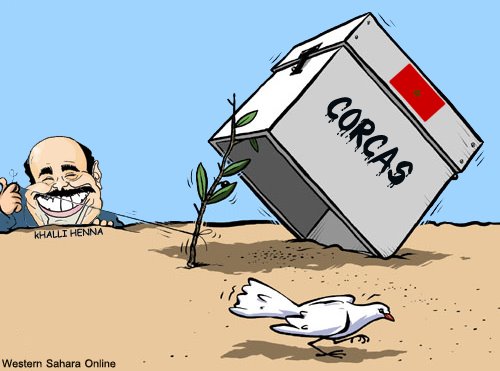
Algérie-ONU-Sahara occidental (1-2)
Voici le texte intégral de la lettre dont une copie a été adressée aux
président et membres du Conseil de Sécurité ainsi qu'au Président de l'Assemblée
Générale.
"Monsieur le Secrétaire Général,
D'ordre de mon gouvernement, j'ai l'honneur de vous faire part des observations
suivantes concernant le rapport en date du 19 avril 2006 que le Secrétaire Général
vient de soumettre sous la cote n° S/2006/249 au Conseil de Sécurité au sujet
de la question du Sahara occidental :
1. Il importe de rappeler que la question du Sahara Occidental est une
question de décolonisation relevant du champ d'application de la résolution
1514 (XV) portant ''Déclaration d'octroi de l'indépendance aux peuples et pays
coloniaux'' c'est-à-dire de la responsabilité directe de l'ONU qui a donc pour
obligation conformément à sa Charte, à sa doctrine et à la pratique en la matière
de mener à son terme le processus de décolonisation de ce territoire.
Toute autre approche, qui aurait pour objet de priver ce peuple de l'exercice
de ce droit imprescriptible, constituerait une violation grave du droit international
et serait contraire à l'esprit et à la lettre de la Charte des Nations Unies
et des résolutions pertinentes de l'Organisation adoptées depuis 1965 qui ont
consacré ce droit, au demeurant confirmé par la Cour Internationale de Justice.
2. Le Plan de règlement des Nations Unies, négocié et accepté par les
deux parties au conflit, le Royaume du Maroc et le Front Polisario en août 1988,
et approuvé par le Conseil de Sécurité par ses résolutions 658 (1990) du 27
juin 1990 et 690 (1991) du 29 avril 1991 de même que les Accords de
Houston négociés directement entre les deux parties, sous l'égide de M.
James Baker III, Envoyé Personnel du Secrétaire Général, et acceptés et signés
par elles en septembre 1997à Houston, et enfin le Plan pour l'autodétermination
du peuple du Sahara occidental élaboré à la demande du Conseil de Sécurité
par M. James Baker III et approuvé par ce dernier dans sa résolution
1495 (2003) en date du 31 juillet 2003, disposent en toute clarté que le règlement
de la question du Sahara occidental ne peut intervenir que par l'expression
de la volonté souveraine du peuple du Sahara occidental seul à même de décider
de son avenir à travers un référendum d'autodétermination libre et régulier,
sans contrainte d'aucune sorte.
3. En cette affaire, si elles ont fait d'abord montre de rectitude dans
la recherche d'une solution définitive à ce conflit, les Nations Unies se sont,
par la suite, montrées complaisantes à l'égard de la puissance occupante, s'accommodant
de ses tergiversations et de ses atermoiements.
4. Aujourd'hui, prenant prétexte de ce que les Plans élaborés
par les Nations-Unies ou négociés par leur entremise, par les parties au conflit
et dûment approuvés par le Conseil de Sécurité, ont été rejetés par une partie,
l'ONU se propose de se désengager du processus de règlement d'une question de
décolonisation qu'elle a pourtant la responsabilité, au triple plan politique,
juridique et moral de conduire à bon port.
L'approche préconisée par l'Envoyé Personnel et que le Secrétaire Général
a fait sienne constitue une dérive que l'Algérie ne saurait ni ne pourrait,
en aucune circonstance, soutenir ou entériner.
5. De la même manière, l'Algérie regrette vivement que les Nations-Unies,
dont la vocation et la raison d'être sont de défendre le droit et la justice,
opposent la realpolitik à la légalité internationale et suggèrent que la première
prévale sur la deuxième.
6. En sa qualité d'Etat soucieux du respect de la légalité internationale
et de la stabilité de la région, l'Algérie a de tout temps, veillé à soutenir
un règlement juste et définitif de la question du Sahara Occidental, en stricte
conformité avec les résolutions pertinentes du Conseil de Sécurité et de l'Assemblée
générale.
Elle considère que les seules négociations valables et limitées au Royaume
du Maroc et au Front Polisario, qui sont les deux parties au conflit, sont celles
qui portent sur les modalités de mise en oeuvre du plan de paix pour l'autodétermination
du peuple du Sahara occidental, approuvé par le Conseil de Sécurité dans sa
résolution 1495 (2003).
A cet égard, l'Algérie regrette que sa position sur la question, exprimée
dans une lettre adressée par le Président de la République au Secrétaire Général,
n'ait pas été, comme c'est la pratique, reflétée dans le corps du rapport du
Secrétaire général.
7. L'Algérie voudrait enfin réaffirmer sa conviction que seule la mise
en oeuvre du Plan pour l'autodétermination du peuple du Sahara Occidental, approuvé
par le Conseil de Sécurité comme solution politique optimale à ce conflit,
en ce qu'il représente un compromis délicat entre les positions des deux protagonistes,
est de nature à assurer un règlement juste et définitif de la question du Sahara
Occidental en stricte conformité avec la Charte des Nations-Unies et la légalité
internationale". (APS)
59000/021/440/909 ttt
président et membres du Conseil de Sécurité ainsi qu'au Président de l'Assemblée
Générale.
"Monsieur le Secrétaire Général,
D'ordre de mon gouvernement, j'ai l'honneur de vous faire part des observations
suivantes concernant le rapport en date du 19 avril 2006 que le Secrétaire Général
vient de soumettre sous la cote n° S/2006/249 au Conseil de Sécurité au sujet
de la question du Sahara occidental :
1. Il importe de rappeler que la question du Sahara Occidental est une
question de décolonisation relevant du champ d'application de la résolution
1514 (XV) portant ''Déclaration d'octroi de l'indépendance aux peuples et pays
coloniaux'' c'est-à-dire de la responsabilité directe de l'ONU qui a donc pour
obligation conformément à sa Charte, à sa doctrine et à la pratique en la matière
de mener à son terme le processus de décolonisation de ce territoire.
Toute autre approche, qui aurait pour objet de priver ce peuple de l'exercice
de ce droit imprescriptible, constituerait une violation grave du droit international
et serait contraire à l'esprit et à la lettre de la Charte des Nations Unies
et des résolutions pertinentes de l'Organisation adoptées depuis 1965 qui ont
consacré ce droit, au demeurant confirmé par la Cour Internationale de Justice.
2. Le Plan de règlement des Nations Unies, négocié et accepté par les
deux parties au conflit, le Royaume du Maroc et le Front Polisario en août 1988,
et approuvé par le Conseil de Sécurité par ses résolutions 658 (1990) du 27
juin 1990 et 690 (1991) du 29 avril 1991 de même que les Accords de
Houston négociés directement entre les deux parties, sous l'égide de M.
James Baker III, Envoyé Personnel du Secrétaire Général, et acceptés et signés
par elles en septembre 1997à Houston, et enfin le Plan pour l'autodétermination
du peuple du Sahara occidental élaboré à la demande du Conseil de Sécurité
par M. James Baker III et approuvé par ce dernier dans sa résolution
1495 (2003) en date du 31 juillet 2003, disposent en toute clarté que le règlement
de la question du Sahara occidental ne peut intervenir que par l'expression
de la volonté souveraine du peuple du Sahara occidental seul à même de décider
de son avenir à travers un référendum d'autodétermination libre et régulier,
sans contrainte d'aucune sorte.
3. En cette affaire, si elles ont fait d'abord montre de rectitude dans
la recherche d'une solution définitive à ce conflit, les Nations Unies se sont,
par la suite, montrées complaisantes à l'égard de la puissance occupante, s'accommodant
de ses tergiversations et de ses atermoiements.
4. Aujourd'hui, prenant prétexte de ce que les Plans élaborés
par les Nations-Unies ou négociés par leur entremise, par les parties au conflit
et dûment approuvés par le Conseil de Sécurité, ont été rejetés par une partie,
l'ONU se propose de se désengager du processus de règlement d'une question de
décolonisation qu'elle a pourtant la responsabilité, au triple plan politique,
juridique et moral de conduire à bon port.
L'approche préconisée par l'Envoyé Personnel et que le Secrétaire Général
a fait sienne constitue une dérive que l'Algérie ne saurait ni ne pourrait,
en aucune circonstance, soutenir ou entériner.
5. De la même manière, l'Algérie regrette vivement que les Nations-Unies,
dont la vocation et la raison d'être sont de défendre le droit et la justice,
opposent la realpolitik à la légalité internationale et suggèrent que la première
prévale sur la deuxième.
6. En sa qualité d'Etat soucieux du respect de la légalité internationale
et de la stabilité de la région, l'Algérie a de tout temps, veillé à soutenir
un règlement juste et définitif de la question du Sahara Occidental, en stricte
conformité avec les résolutions pertinentes du Conseil de Sécurité et de l'Assemblée
générale.
Elle considère que les seules négociations valables et limitées au Royaume
du Maroc et au Front Polisario, qui sont les deux parties au conflit, sont celles
qui portent sur les modalités de mise en oeuvre du plan de paix pour l'autodétermination
du peuple du Sahara occidental, approuvé par le Conseil de Sécurité dans sa
résolution 1495 (2003).
A cet égard, l'Algérie regrette que sa position sur la question, exprimée
dans une lettre adressée par le Président de la République au Secrétaire Général,
n'ait pas été, comme c'est la pratique, reflétée dans le corps du rapport du
Secrétaire général.
7. L'Algérie voudrait enfin réaffirmer sa conviction que seule la mise
en oeuvre du Plan pour l'autodétermination du peuple du Sahara Occidental, approuvé
par le Conseil de Sécurité comme solution politique optimale à ce conflit,
en ce qu'il représente un compromis délicat entre les positions des deux protagonistes,
est de nature à assurer un règlement juste et définitif de la question du Sahara
Occidental en stricte conformité avec la Charte des Nations-Unies et la légalité
internationale". (APS)
59000/021/440/909 ttt
Friday, March 17, 2006
Press Release From the Sahrawi Community in USA
March 17, 2006
An Appeal to the United Nations for the Self Determination for Sahrawis
Self determination is not a de stabilizing concept. Self determination and democracy go hand in hand. If democracy means the rule of the people, by the people, for the people, then the principle of self determination secures that no one people may rule another - and herein lies its enduring appeal. Therefore, sahrawis are no exception to this especially that they are a minority in North Africa.
All peoples have the right of self-determination. By virtue of that right they freely determine their political status and freely pursue their economic, social and cultural development, Article 1.1, The International Covenant on Civil and Political Rights, 1966
the principle and fundamental right of self-determination is firmly established in international law..." Barcelona UNESCO Conference 1998.
The belief that each nation has a right to constitute an independent state and determine its own government is an essential and an instrumental element in the world stability. Sahrawis have long dreamt of an independent country where their children can grow freely and build their own country.
What exactly is a nation? A ‘nation’ is a group of people who share a significant number (but by means necessarily all) of the following attributes: history, language, ethnic origin, religion, political belief, fear of the same adversaries. In short, a nation may be defined as ‘a community that is, or wishes to be, a state. Western Sahara is a solid example, and sahrawis believe strongly that they have all the potentials to be a nation state with sovereignty over their own land. Restrictions on self-determination threaten not only democracy itself but the state which seeks its legitimation in democracy.
The appeal of the principle of national self-determination is simple, for it is surely better that nations should determine their own destinies than that someone else should do it for them. The concept of national self-determination appears to express the idea of democracy, according to which the people are presumed to be best qualified to govern themselves. International law also appears to recognize the right to national self-determination unreservedly.
Therefore, all Sahrawis urge the United Nations and the whole world to come to the rescue of the sahrawis and to condemn the illegal occupation of Western Sahara by Morocco. We, the Sahrawis, demand that we should be given the right of self-determination and to be enabled to express ourselves freely and to be given the right to decide our fate within the international legitimacy and according the United Nations chart.
The Sahrawis Community in USA.
An Appeal to the United Nations for the Self Determination for Sahrawis
Self determination is not a de stabilizing concept. Self determination and democracy go hand in hand. If democracy means the rule of the people, by the people, for the people, then the principle of self determination secures that no one people may rule another - and herein lies its enduring appeal. Therefore, sahrawis are no exception to this especially that they are a minority in North Africa.
All peoples have the right of self-determination. By virtue of that right they freely determine their political status and freely pursue their economic, social and cultural development, Article 1.1, The International Covenant on Civil and Political Rights, 1966
the principle and fundamental right of self-determination is firmly established in international law..." Barcelona UNESCO Conference 1998.
The belief that each nation has a right to constitute an independent state and determine its own government is an essential and an instrumental element in the world stability. Sahrawis have long dreamt of an independent country where their children can grow freely and build their own country.
What exactly is a nation? A ‘nation’ is a group of people who share a significant number (but by means necessarily all) of the following attributes: history, language, ethnic origin, religion, political belief, fear of the same adversaries. In short, a nation may be defined as ‘a community that is, or wishes to be, a state. Western Sahara is a solid example, and sahrawis believe strongly that they have all the potentials to be a nation state with sovereignty over their own land. Restrictions on self-determination threaten not only democracy itself but the state which seeks its legitimation in democracy.
The appeal of the principle of national self-determination is simple, for it is surely better that nations should determine their own destinies than that someone else should do it for them. The concept of national self-determination appears to express the idea of democracy, according to which the people are presumed to be best qualified to govern themselves. International law also appears to recognize the right to national self-determination unreservedly.
Therefore, all Sahrawis urge the United Nations and the whole world to come to the rescue of the sahrawis and to condemn the illegal occupation of Western Sahara by Morocco. We, the Sahrawis, demand that we should be given the right of self-determination and to be enabled to express ourselves freely and to be given the right to decide our fate within the international legitimacy and according the United Nations chart.
The Sahrawis Community in USA.
Friday, March 10, 2006
A petition to Kofi Annan-Please Sign it and send it !
Mr. Kofi Annan
Secretary General of the United Nations
United Nations
New York, New York 10017
United Sates of America
Ref: Concern for Sahrawi political prisoners
C.C. Moroccan Minister for Justice, Mohamed Bouzoubaa
And U.S Congress. USA.
March 10, 2006
Dear Mr. Secretary General,
We are very concerned about the imprisonment of Sahrawi activists’ leaders, especially for their health as they have all been on hunger strike in various Moroccan prisons in different occasions. We all know that they are in prison illegally and were denied their basic rights and are detained because they dared to speak out the truth.
We have information from Sahrawi communities and from the prisoners themselves. Most Sahrawi prisoners have been judged and sentenced without any consideration to fairness and justice.. This treatment flagrantly contravenes the principle "non bis in idem".
It is no doubt that despite the many appeals to fair trials; Morocco is still way behind when it comes to dealing with Sahrawis as human beings, and the respect for their rights.
Moroccan justice has not allowed the accused to present a legal defense away from any external pressure. Most prisoners have been cruelly interrogated before being brought into the justice system. To accuse and judge Sahrawis as terrorists and separatists has denied them the opportunity of being bailed or having anything other than a custodial sentence. In prison they have been subjected to extremely hard conditions and they bear witness to intimidating and racist treatment by the prison authorities.
Mr. Secretary General, we are extremely alarmed, concerned, and annoyed by these events. We ask you particularly to listen to the requests of those Sahrawi prisoners who are advocates of the Sahrawis cause and the Sahrawi people.Sahrawis have a great and a deep respect for you and for the United Nations as a whole body. Sahrawis have always abided by the international law and always believed in the values and principles expressed in the chart of the United Nations.
The United Nations was founded to protect human rights, to settle conflicts, to help preserve liberties, and to give aid when necessary. It is thus our duty and due to the circumstances, we urge you to act quickly before the fate of these political Sahrawis gets any worse.
Free those political prisoners held in the Moroccan prisons in Western Sahara and inside Morocco. If a trial has to be done, then complete all their trials rapidly in a transparent unbiased and fair way. We all believe in their innocence and thus we ask you personally to intervene and demand the release those who are sick in the prison and of those who are there without any reason but just because they are Sahrawis. Their crime is that they are Sahrawis and don’t want to be somebody else.
Get the Moroccan authorities to put on trial the police officers who killed the two Sahrawi citizens. They both died because of the brutality of the Moroccan police and its use of force and violence against the civilian Sahrawis.
We ask that political prisoners of the Sahrawi nation be given the treatment laid down in international law. In particular we ask that two international conventions be respected: to prevent and punish torture and that which is designed to bring an end to all forms of racial discrimination.
Yours sincerely,
---------------------------
Copy:
Moroccan Minister for Justice, Mohamed Bouzoubaa
U.S Congress.USA
Secretary General of the United Nations
United Nations
New York, New York 10017
United Sates of America
Ref: Concern for Sahrawi political prisoners
C.C. Moroccan Minister for Justice, Mohamed Bouzoubaa
And U.S Congress. USA.
March 10, 2006
Dear Mr. Secretary General,
We are very concerned about the imprisonment of Sahrawi activists’ leaders, especially for their health as they have all been on hunger strike in various Moroccan prisons in different occasions. We all know that they are in prison illegally and were denied their basic rights and are detained because they dared to speak out the truth.
We have information from Sahrawi communities and from the prisoners themselves. Most Sahrawi prisoners have been judged and sentenced without any consideration to fairness and justice.. This treatment flagrantly contravenes the principle "non bis in idem".
It is no doubt that despite the many appeals to fair trials; Morocco is still way behind when it comes to dealing with Sahrawis as human beings, and the respect for their rights.
Moroccan justice has not allowed the accused to present a legal defense away from any external pressure. Most prisoners have been cruelly interrogated before being brought into the justice system. To accuse and judge Sahrawis as terrorists and separatists has denied them the opportunity of being bailed or having anything other than a custodial sentence. In prison they have been subjected to extremely hard conditions and they bear witness to intimidating and racist treatment by the prison authorities.
Mr. Secretary General, we are extremely alarmed, concerned, and annoyed by these events. We ask you particularly to listen to the requests of those Sahrawi prisoners who are advocates of the Sahrawis cause and the Sahrawi people.Sahrawis have a great and a deep respect for you and for the United Nations as a whole body. Sahrawis have always abided by the international law and always believed in the values and principles expressed in the chart of the United Nations.
The United Nations was founded to protect human rights, to settle conflicts, to help preserve liberties, and to give aid when necessary. It is thus our duty and due to the circumstances, we urge you to act quickly before the fate of these political Sahrawis gets any worse.
Free those political prisoners held in the Moroccan prisons in Western Sahara and inside Morocco. If a trial has to be done, then complete all their trials rapidly in a transparent unbiased and fair way. We all believe in their innocence and thus we ask you personally to intervene and demand the release those who are sick in the prison and of those who are there without any reason but just because they are Sahrawis. Their crime is that they are Sahrawis and don’t want to be somebody else.
Get the Moroccan authorities to put on trial the police officers who killed the two Sahrawi citizens. They both died because of the brutality of the Moroccan police and its use of force and violence against the civilian Sahrawis.
We ask that political prisoners of the Sahrawi nation be given the treatment laid down in international law. In particular we ask that two international conventions be respected: to prevent and punish torture and that which is designed to bring an end to all forms of racial discrimination.
Yours sincerely,
---------------------------
Copy:
Moroccan Minister for Justice, Mohamed Bouzoubaa
U.S Congress.USA
Wednesday, March 01, 2006
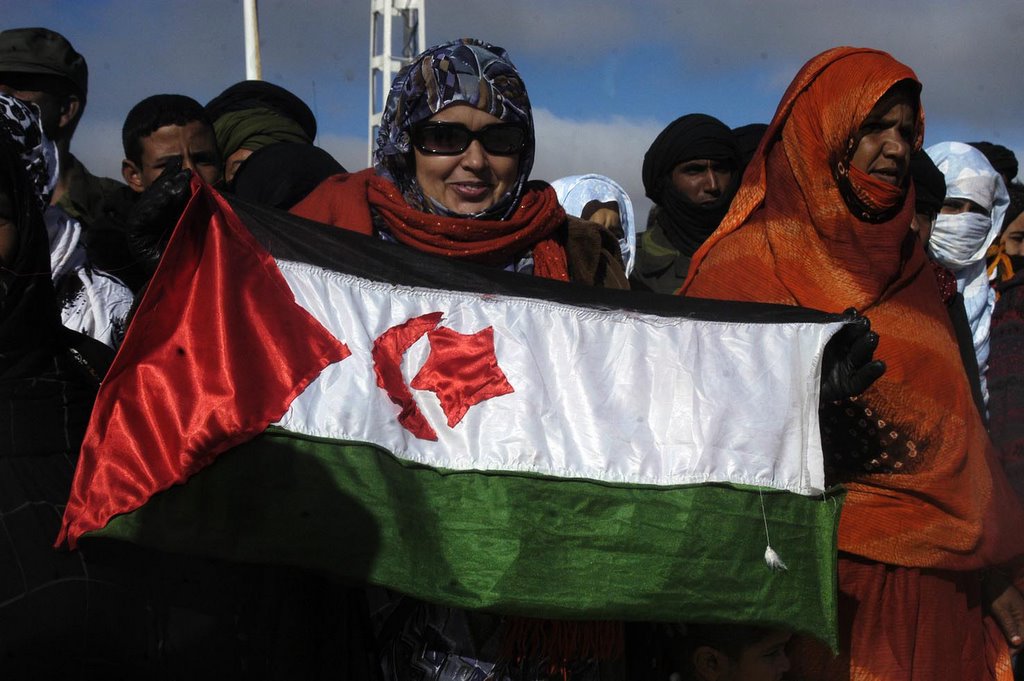
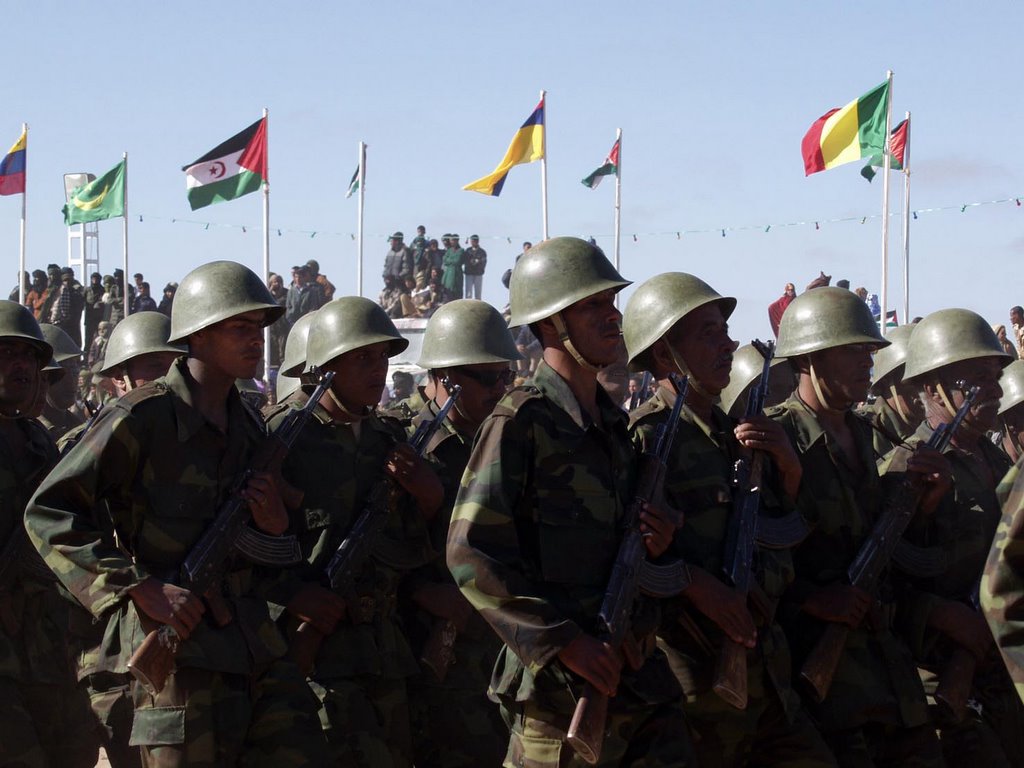
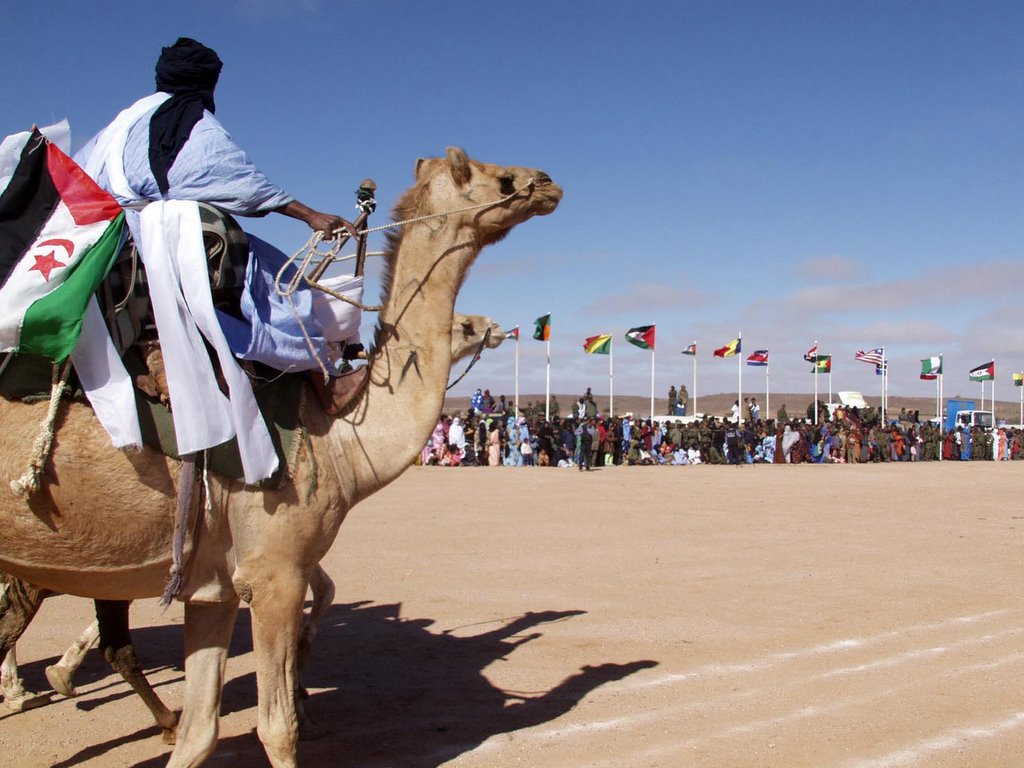
Letter from The U.S. Congress to the EU Fisheries directorate
Congress of the United States
Washington DC 20515
The Honorable Joe Borg
Commissioner
Fisheries Directorate
European Commission
B-1049 Brussels
Belgium
February 28, 2006
Dear Commissioner Borg
We are writing to express our concern regarding the upcoming vote on the
Fisheries Agreement signed by the government of Morocco and the European
Community. Our concern stems from the fact that the conflict over Western
Sahara has not yet been resolved and therefore any exploration and/or
exploitation of resources in that territory would be inappropriate and in
violation of UN legal opinions and international norms regarding
territories in dispute.
As you may know, despite the 1975 International Court of Justice ruling
stating that Morocco has no legitimate claims to the land of Western
Sahara, and numerous UN Security Council actions to resolve the conflict,
the Moroccan government maintains that Western Sahara is part of Morocco.
In addition, on February 12, 2002, Mr. Hans Corell, Legal Counsel, sent
the following legal opinion to the UN Security Council on the exploration
of mineral resources of Western Sahara, stating that if “exploration
activities were to proceed in disregard of the interests and wishes of the
people of Western Sahara, they would be in violation of the international
law principles applicable to mineral resource activities in
Non-Self-Governing Territories”.
Our understanding is that the European Fisheries Agreement does not
include a provision that would prohibit EU fishing vessels from fishing in
the waters linked to Western Sahara as there is nothing that specifies the
boundaries of Morocco, particularly in the South. As a result, any fishing
licenses granted could cover the waters of the disputed territory. In
addition, approval of the Fisheries Agreement could also lead to EU
funding development projects for Moroccan settlers residing in the
disputed territory.
In 2004, the United States signed a Free Trade Agreement with the Kingdom
of Morocco; however, this Agreement clearly stipulated that the area
included only the land within the internationally recognized boundaries of
Morocco. Without a clear definition of the territorial boundaries covered
by the EU Fisheries Agreement, the Kingdom of Morocco could issue fishing
licenses for Western Sahara waters and resources from those waters could
be exported to ports around the world. Should fish from those waters be
exported to the United States, such an importation would be a violation of
our Free Trade Agreement with Morocco. Such is the seriousness attached to
this issue by the United States.
While trade and cooperation between nations is an important policy, we
strongly believe that trade should not be in violation of international
agreements and norms and in the case of the European Fisheries Agreement
it should exclude the territory of Western Sahara. We respectfully urge
that a section be added to the Fisheries Agreement clearly delineating the
territory covered by this new Agreement.
Thank you for your attention to this important matter. We look forward to
hearing from you on this issue, preferably before the Agreement is
submitted to the European Parliament for approval.
Sincerely
Joseph Pitts
Member of Congress
Donald M. Payne
Member of Congress
Washington DC 20515
The Honorable Joe Borg
Commissioner
Fisheries Directorate
European Commission
B-1049 Brussels
Belgium
February 28, 2006
Dear Commissioner Borg
We are writing to express our concern regarding the upcoming vote on the
Fisheries Agreement signed by the government of Morocco and the European
Community. Our concern stems from the fact that the conflict over Western
Sahara has not yet been resolved and therefore any exploration and/or
exploitation of resources in that territory would be inappropriate and in
violation of UN legal opinions and international norms regarding
territories in dispute.
As you may know, despite the 1975 International Court of Justice ruling
stating that Morocco has no legitimate claims to the land of Western
Sahara, and numerous UN Security Council actions to resolve the conflict,
the Moroccan government maintains that Western Sahara is part of Morocco.
In addition, on February 12, 2002, Mr. Hans Corell, Legal Counsel, sent
the following legal opinion to the UN Security Council on the exploration
of mineral resources of Western Sahara, stating that if “exploration
activities were to proceed in disregard of the interests and wishes of the
people of Western Sahara, they would be in violation of the international
law principles applicable to mineral resource activities in
Non-Self-Governing Territories”.
Our understanding is that the European Fisheries Agreement does not
include a provision that would prohibit EU fishing vessels from fishing in
the waters linked to Western Sahara as there is nothing that specifies the
boundaries of Morocco, particularly in the South. As a result, any fishing
licenses granted could cover the waters of the disputed territory. In
addition, approval of the Fisheries Agreement could also lead to EU
funding development projects for Moroccan settlers residing in the
disputed territory.
In 2004, the United States signed a Free Trade Agreement with the Kingdom
of Morocco; however, this Agreement clearly stipulated that the area
included only the land within the internationally recognized boundaries of
Morocco. Without a clear definition of the territorial boundaries covered
by the EU Fisheries Agreement, the Kingdom of Morocco could issue fishing
licenses for Western Sahara waters and resources from those waters could
be exported to ports around the world. Should fish from those waters be
exported to the United States, such an importation would be a violation of
our Free Trade Agreement with Morocco. Such is the seriousness attached to
this issue by the United States.
While trade and cooperation between nations is an important policy, we
strongly believe that trade should not be in violation of international
agreements and norms and in the case of the European Fisheries Agreement
it should exclude the territory of Western Sahara. We respectfully urge
that a section be added to the Fisheries Agreement clearly delineating the
territory covered by this new Agreement.
Thank you for your attention to this important matter. We look forward to
hearing from you on this issue, preferably before the Agreement is
submitted to the European Parliament for approval.
Sincerely
Joseph Pitts
Member of Congress
Donald M. Payne
Member of Congress
Thursday, February 02, 2006
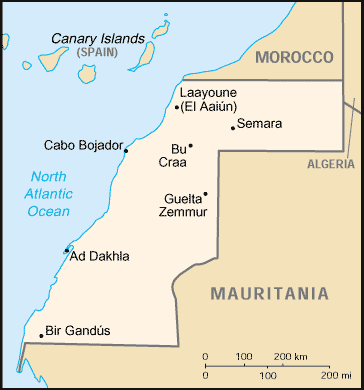
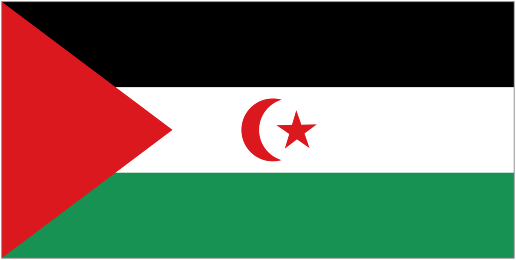
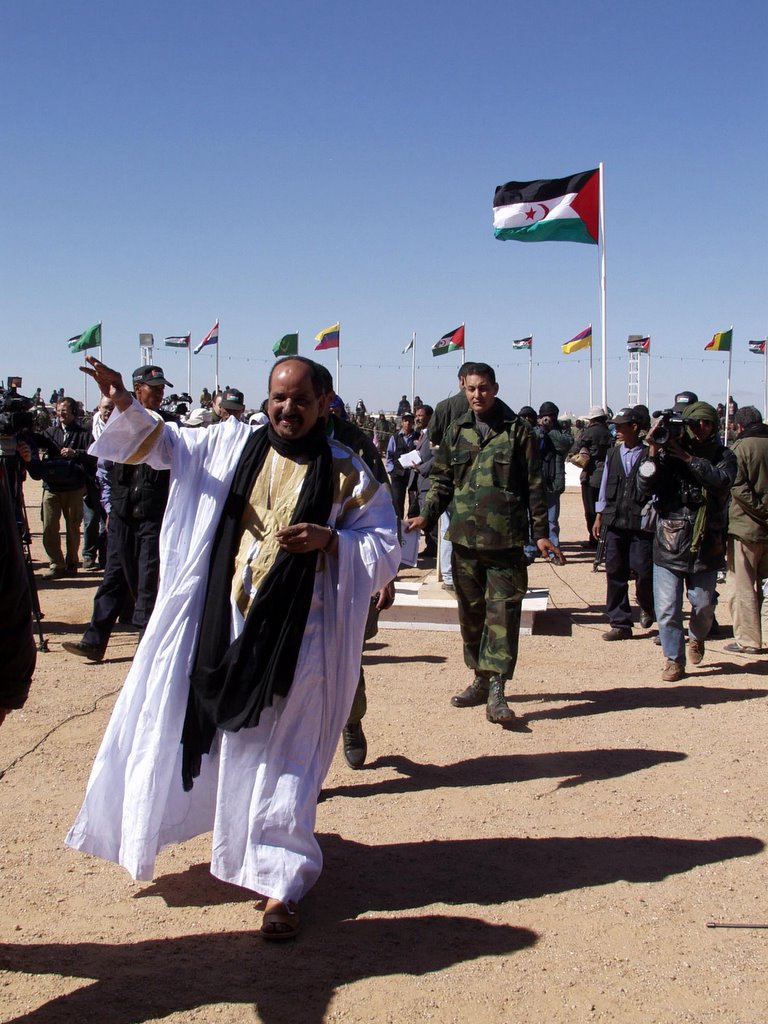
A Statement By Mohamed Brahim in an international conference in Palestine
Western Sahara – An Overview
For over twenty-five years, led by the Polisario Front, the people of Western Sahara have been struggling for self-determination and independence. Morocco wants to annex Western Sahara and Polisario is seeking independence. A UN settlement plan, based on a referendum in which the people of Western Sahara would exercise their right to self-determination by choosing between independence and integration in Morocco, is deadlocked. Moroccan stalling and attempting to pad the voter roll.
Background
Formerly Western Sahara was a colony of Spain. In 1975 the International Court of Justice ruled that the people of Western Sahara were entitled to self-determination including independence. That same year a UN mission determined that the people of Western Sahara were "categorically" for independence and opposed to the territorial claims on Morocco and Mauritania. But when Spain pulled out in 1976 it divided the territory between Morocco and Mauritania. Polisario, formed in 1973 to oppose Spanish colonialism, rejected this action and declared the Saharawi Arab Democratic Republic (SADR). Much of the population of Western Sahara fled the territory to Polisario run refugee camps in Algeria.
Polisario, which had led an armed struggle Spain, turned its military efforts against Morocco and Mauritania. In July1978 there was a coup in Mauritania. Two days later Polisario declared a unilateral cease-fire with Mauritania. In 1979 Mauritania formally abandoned its claim to Western Sahara. Morocco immediately asserted a claim for the portion of Western Sahara previously claimed by Mauritania.
A United Nations General Assembly resolution in 1980 stated clearly that the issue of Western Sahara is one of self-determination. The resolution "Reaffirms the inalienable right of the people of Western Sahara to self-determination and independence" and expresses "deep concern… at the aggravation of the situation prevailing in Western Sahara because of the continued occupation of that Territory by Morocco."
Violations, violence, and Non violence resistance in Western Sahara
The Moroccan government has always abused human rights in Western Sahara in different brutal and inhumane ways. There is a long list of people who disappeared when they were kidnapped by the Moroccan secret services throughout the conflict. Many of the Sahrawi political detainees were denied any trial and they were kept in dungeons and other secret detention centers throughout Morocco and Western Sahara. Until the early 1990s, the Moroccan government denied the existence of these prisoners and prisons. In the early 1990s, some of these detainees were released via a royal pardon. The pardon stated that these prisoners were abroad on missions for the Moroccan government in order to explain their disappearance. Morocco is still imprisoning Sahrawis who are peaceful demonstrators or peaceful defenders of human rights for the sole reason that these people are calling for a referendum to be held in Western Sahara and that the Sahrawis should be allowed to exercise their right to self-determination. Not only is the right to self-determination a natural right of a people, but it is included in the UN Charter and is one of the basic principles that the UN is empowered to preserve. All of these prisoners were, and have been, a target for unjustified attention, torture, and surveillance. These actions constitute a human rights violation on the part of the Moroccan government.
Recently, some of these people have been tried in Moroccan courts. However, the Moroccan judges were mere puppets of the Moroccan regime. Therefore, it is necessary to have international human rights observers to attend those trials. It is amazing to see that the Sahrawi prisoners are only asking for freedom of speech and freedom of expression, but when they petitioned the Moroccan regime for these rights, they were imprisoned.
Women were never spared this horrible fate either. The Sahrawi women were always part of the struggle and played a vital role in fighting against the Moroccan regime through peaceful resistance. These women were beaten, sometimes raped, denied their legal rights, and their houses were ransacked. Many international organizations have condemned these atrocities by the Moroccan state against Sahrawis. Nonetheless, the international community did not place sanctions on Morocco, nor was any real action taken to address these atrocities. Morocco may be a traditional ally of the United States, but the Moroccan regime has denied the Sahrawis their rights and has continued to abuse them in different ways. Distributing leaflets and writing on the wallas has a log-time used tactic to tell the Moroccans that we are here and that we are resisting and that we do refuse occupation .
It is a common practice, and a known policy, that the Moroccan government need not give Sahrawis positions where they can have access to confidential information. No Sahrawi can serve in a political office at any level of the Moroccan government—local, state, or national. The only Sahrawis who have been given this privilege were those who had served as Moroccan agents—they were used by the Moroccan government to disseminate propaganda. Some of those Sahrawis were defectors to Morocco, and have no sense of loyalty to the Sahrawi people. Some others choose to work for the Moroccans for financial gain. The Moroccan regime commonly gives bribes to Sahrawis in order to get them to defect and to get these people to continue to do work for the Moroccan government. Some of them defect out of fear because the Moroccan government threatens their lives or the lives of their family.
Aminatou Haidar is one of these heroes of the non-violence struggle as she is considered to have led many nonviolent actions towards the occupation in Western Sahara. She met many foreign delegations and initiated many non-violent actions such as: writing articles to foreign newspapers about the oppression of the Moroccan occupation and about the Human rights violations. She also wrote many letters to Officials in different countries such as to Condoleezza Rice and many others in different parts of the world. She also succeeded in getting more NGO’s interested in the malpractices of the oppressive Moroccan regime in Western Sahara . She also constantly in touch with human rights organizations all over the world and coordinated many activities towards revealing the truth to the world and unmask the atrocities of the Moroccan regime in Western Sahara.
It is also very important to specify that the non-violence resistance was the only weapon used by the Sahrawis in the occupied territories against the oppression. Meanwhile, war was the tool used against the Moroccan army at the borders with the sahrawi liberated territories. Therefore, it was very essential for Sahrawis under occupation to always look for different peaceful options to fight occupation and the Moroccan strategy to assimilate every sahrawi into the Moroccan society. King Hassan 2 tried to assimilate the young Sahrawis in the Moroccan society in 1989 by giving them jobs and free lodgment inside morocco and away from Sahara, but it was only a total failure as sahrawis preserved their identity and maintained their own heritage.
Sahrawis also adopted the strategy of not letting their own dialect and cultural heritage slip away from them as Moroccans hoped they would get moroccanized. Sahrawis under occupation spoke their own dialect and preserved their own identity and fought all Moroccan attempts to mingle in the Moroccan society.
Recently an intifada has begun in the occupied territories to give a push to the sahrawi cause as it seemed to have reached an impasse. This non violent political resistance was initiated by sahrawis under occupation from all walks of life, all ages, and from all genders. It was peaceful and successful as it drove Moroccans very crazy and they expressed their fear by crashing it and arresting many sahrawis and human rights activists.
Another non-violent tactic used by Sahrawis was forming human rights associations to be able to unveil the different many violations of human rights against Sahrawis and committed by the Moroccan state. These activists run a secret network of informants and activists who would assist them in gathering all information necessary to back their work and to show their support for the sahrawi cause. They succeeded in attracting the attention of many human rights organization and convincing the world that Sahrawis are suffering and are being segregated.
Another non violent strategy led by Sahrawis citizens was to refuse selling their houses to Moroccan settlers. Sahrawis also would live away from Moroccans settlers and would prefer to stay within sahrawi communities enclosed on it. When having a wedding ceremony or other local festival, only Sahrawis would be admitted or invited s as to keep the Moroccan infiltration away.
Finally, the sahrawis under occupation are always looking for diverse means to empower their non-violent struggle and always adopt non-violent means of struggle to defend themselves and also to resist the occupation. They have a great need to have NGO’s in the occupied territories, but the Moroccans won’t let them in. So, now they are hoping to have NGO’s to put pressure on their government and on the Moroccan government to let NGO’s in the Western Sahara.
Justice will prevail, and freedom will come!
For over twenty-five years, led by the Polisario Front, the people of Western Sahara have been struggling for self-determination and independence. Morocco wants to annex Western Sahara and Polisario is seeking independence. A UN settlement plan, based on a referendum in which the people of Western Sahara would exercise their right to self-determination by choosing between independence and integration in Morocco, is deadlocked. Moroccan stalling and attempting to pad the voter roll.
Background
Formerly Western Sahara was a colony of Spain. In 1975 the International Court of Justice ruled that the people of Western Sahara were entitled to self-determination including independence. That same year a UN mission determined that the people of Western Sahara were "categorically" for independence and opposed to the territorial claims on Morocco and Mauritania. But when Spain pulled out in 1976 it divided the territory between Morocco and Mauritania. Polisario, formed in 1973 to oppose Spanish colonialism, rejected this action and declared the Saharawi Arab Democratic Republic (SADR). Much of the population of Western Sahara fled the territory to Polisario run refugee camps in Algeria.
Polisario, which had led an armed struggle Spain, turned its military efforts against Morocco and Mauritania. In July1978 there was a coup in Mauritania. Two days later Polisario declared a unilateral cease-fire with Mauritania. In 1979 Mauritania formally abandoned its claim to Western Sahara. Morocco immediately asserted a claim for the portion of Western Sahara previously claimed by Mauritania.
A United Nations General Assembly resolution in 1980 stated clearly that the issue of Western Sahara is one of self-determination. The resolution "Reaffirms the inalienable right of the people of Western Sahara to self-determination and independence" and expresses "deep concern… at the aggravation of the situation prevailing in Western Sahara because of the continued occupation of that Territory by Morocco."
Violations, violence, and Non violence resistance in Western Sahara
The Moroccan government has always abused human rights in Western Sahara in different brutal and inhumane ways. There is a long list of people who disappeared when they were kidnapped by the Moroccan secret services throughout the conflict. Many of the Sahrawi political detainees were denied any trial and they were kept in dungeons and other secret detention centers throughout Morocco and Western Sahara. Until the early 1990s, the Moroccan government denied the existence of these prisoners and prisons. In the early 1990s, some of these detainees were released via a royal pardon. The pardon stated that these prisoners were abroad on missions for the Moroccan government in order to explain their disappearance. Morocco is still imprisoning Sahrawis who are peaceful demonstrators or peaceful defenders of human rights for the sole reason that these people are calling for a referendum to be held in Western Sahara and that the Sahrawis should be allowed to exercise their right to self-determination. Not only is the right to self-determination a natural right of a people, but it is included in the UN Charter and is one of the basic principles that the UN is empowered to preserve. All of these prisoners were, and have been, a target for unjustified attention, torture, and surveillance. These actions constitute a human rights violation on the part of the Moroccan government.
Recently, some of these people have been tried in Moroccan courts. However, the Moroccan judges were mere puppets of the Moroccan regime. Therefore, it is necessary to have international human rights observers to attend those trials. It is amazing to see that the Sahrawi prisoners are only asking for freedom of speech and freedom of expression, but when they petitioned the Moroccan regime for these rights, they were imprisoned.
Women were never spared this horrible fate either. The Sahrawi women were always part of the struggle and played a vital role in fighting against the Moroccan regime through peaceful resistance. These women were beaten, sometimes raped, denied their legal rights, and their houses were ransacked. Many international organizations have condemned these atrocities by the Moroccan state against Sahrawis. Nonetheless, the international community did not place sanctions on Morocco, nor was any real action taken to address these atrocities. Morocco may be a traditional ally of the United States, but the Moroccan regime has denied the Sahrawis their rights and has continued to abuse them in different ways. Distributing leaflets and writing on the wallas has a log-time used tactic to tell the Moroccans that we are here and that we are resisting and that we do refuse occupation .
It is a common practice, and a known policy, that the Moroccan government need not give Sahrawis positions where they can have access to confidential information. No Sahrawi can serve in a political office at any level of the Moroccan government—local, state, or national. The only Sahrawis who have been given this privilege were those who had served as Moroccan agents—they were used by the Moroccan government to disseminate propaganda. Some of those Sahrawis were defectors to Morocco, and have no sense of loyalty to the Sahrawi people. Some others choose to work for the Moroccans for financial gain. The Moroccan regime commonly gives bribes to Sahrawis in order to get them to defect and to get these people to continue to do work for the Moroccan government. Some of them defect out of fear because the Moroccan government threatens their lives or the lives of their family.
Aminatou Haidar is one of these heroes of the non-violence struggle as she is considered to have led many nonviolent actions towards the occupation in Western Sahara. She met many foreign delegations and initiated many non-violent actions such as: writing articles to foreign newspapers about the oppression of the Moroccan occupation and about the Human rights violations. She also wrote many letters to Officials in different countries such as to Condoleezza Rice and many others in different parts of the world. She also succeeded in getting more NGO’s interested in the malpractices of the oppressive Moroccan regime in Western Sahara . She also constantly in touch with human rights organizations all over the world and coordinated many activities towards revealing the truth to the world and unmask the atrocities of the Moroccan regime in Western Sahara.
It is also very important to specify that the non-violence resistance was the only weapon used by the Sahrawis in the occupied territories against the oppression. Meanwhile, war was the tool used against the Moroccan army at the borders with the sahrawi liberated territories. Therefore, it was very essential for Sahrawis under occupation to always look for different peaceful options to fight occupation and the Moroccan strategy to assimilate every sahrawi into the Moroccan society. King Hassan 2 tried to assimilate the young Sahrawis in the Moroccan society in 1989 by giving them jobs and free lodgment inside morocco and away from Sahara, but it was only a total failure as sahrawis preserved their identity and maintained their own heritage.
Sahrawis also adopted the strategy of not letting their own dialect and cultural heritage slip away from them as Moroccans hoped they would get moroccanized. Sahrawis under occupation spoke their own dialect and preserved their own identity and fought all Moroccan attempts to mingle in the Moroccan society.
Recently an intifada has begun in the occupied territories to give a push to the sahrawi cause as it seemed to have reached an impasse. This non violent political resistance was initiated by sahrawis under occupation from all walks of life, all ages, and from all genders. It was peaceful and successful as it drove Moroccans very crazy and they expressed their fear by crashing it and arresting many sahrawis and human rights activists.
Another non-violent tactic used by Sahrawis was forming human rights associations to be able to unveil the different many violations of human rights against Sahrawis and committed by the Moroccan state. These activists run a secret network of informants and activists who would assist them in gathering all information necessary to back their work and to show their support for the sahrawi cause. They succeeded in attracting the attention of many human rights organization and convincing the world that Sahrawis are suffering and are being segregated.
Another non violent strategy led by Sahrawis citizens was to refuse selling their houses to Moroccan settlers. Sahrawis also would live away from Moroccans settlers and would prefer to stay within sahrawi communities enclosed on it. When having a wedding ceremony or other local festival, only Sahrawis would be admitted or invited s as to keep the Moroccan infiltration away.
Finally, the sahrawis under occupation are always looking for diverse means to empower their non-violent struggle and always adopt non-violent means of struggle to defend themselves and also to resist the occupation. They have a great need to have NGO’s in the occupied territories, but the Moroccans won’t let them in. So, now they are hoping to have NGO’s to put pressure on their government and on the Moroccan government to let NGO’s in the Western Sahara.
Justice will prevail, and freedom will come!
Minatou Haidar's Speech broadcasted in arabic
بــــــــــسم الله الـــــــرحـمان الـرحـيـم
كلمة الناشطة الحقوقية والمعتقلة السياسية أمنتو حيدار
للاذاعة الوطنية بمناسبة الافراج عنها
في البداية أحيي واشكر طاقم الاذاعة الوطنية ، صوت الشعب الصحراوي، المنبر الاعلامي الحر الذي يعتبر أداة فعالة في التواصل والربط بين الصحراويين في اللجوء والمناطق المحتلة وجنوب المغرب اسمحولي ان أحيي ، تحية ملؤها الشوق والحنين كل اهالينا بالجاليات و بمخيمات اللجوء ، مخيمات النخوة والعز والكرامة وعلى رأسها قيادة الجبهة الشعبية لتحرير الساقية الحمراء ووادي الذهب ، الممثل الوحيد والشرعي للشعب الصحراوي ، وأحيي بكل فخر وتقدير واحترام الأخ الرئيس رمز المشروع الوطني ، الأخ الفاضل محمد عبد العزيز ، واحيي تحية اكبار واجلال أسود الوغى، حماة الوطن مقاتلي جيش التحرير الشعبي الصحراوي.
واحيي بحرارة الجماهير الصحراوية المناضلة والمنتفضة في المناطق المحتلة وجنوب المغرب وفي المواقع الجامعية ، ولا يفوتني أن أحيي تحية افتخار واعتزاز الحركة التلاميذية الصحراوية المقدامة .
واسمحوا لي أيضا أن أحيي تحية اجلال واكبار وتقدير ووفاء وعرفان بالجميل رفاقي رموز انتفاضة الاستقلال بالسجن لكحل بالعيون المحتلة من نشطاء حقوقين ومعتقلين سياسين وكل المعتقلين السياسين الصحراويين بأيت ملول وتيزنيت ومراكش والقنيطرة وفي كل السجون المغربية الأخرى.
انني استغل هذا المنبر لفضح وكشف الخروقات والتعسفات المغربية التي لم اسلم منها حتى يوم اطلاق سراحي ، حيث أن الأجهزة الأمنية المغربية بتوجيه من المسؤول المغربي "حميدولعنيكري" قامت بمنع عائلتي من استقبالي بالمنزل ولا حتى بقاعة تستأجر لهذا الغرض ، ومارست عليها عدة ظغوطات بالتهديد المباشر من طرف الباشا "بومعزة"والجلاد المغربي" ايشي أبوحسان" وقائد الدائرة وارغمت العائلة على مغادرة البيت والتوجه الى منطقة "لمليحس" على بعد 36 كلم من العيون، على الطريق المؤدي الى مدينة السمارة المحتلة ،ومن الساعة الحادية عشر ليلا تم التطويق المكان الذي نصبت به الخيام الجحافل من الشاحنات التابعة للدرك الحربي الغربي والدرك الملكي وبعض السيارات التابعة لوزارة الداخلية والمخابرات المغربية ، ووضع ثلاث ابراج للمراقبة والتفتيش اظافة الى تطويق جميع شوارع المدينة وخصوصا المؤدية منها الى ما يسمى "البئر الجديد" حيث تقيم العائلة وعلى الساعة السادسة والنصف صباحا ايقضتني موظفة السجن قائلة ان مدير السجن يطلب مني الخروج ومغادرة السجن دون تأخير ، الشيء الذي رفضته وامتنعت ، وبدأت في ترتيب امتعتي وجمعها ، وأمام اصرار والحاح الادارة طلبت منحي الهاتف للتحدث الى عائلتي قصد اخبارها حتى يتسنى لها المجىء الى السجن واستقبالي منه ، الشيء الذي لم يستسغه مدير السجن وحاول اقناعي بانهم اخبروا عني ، فطلبت ادخالهم الى داخل السجن حتى أتأكد من صحة ما يقولون لأنني أشكك في ذلك و انها محاولة اختطاف ثانية أو خطة مدبرة من طرف المخابرات المغربية ، ولم اغادر السجن حتى الساعة السابعة والنصف ، بعد مجيء احد افراد العائلة ، وتم اخراجي من السجن دون أي اجراء من الاجراءات القانونية التي تتخد عادة عند خروج أي معتقل .
غادرت السجن وأنا أكرر بعض الشعارات الوطنية عن قبيل كنا و لازلنا على درب النضال المستمر "سننتصر ونشيد قلاع الحرية ، سننتصر ونكسر قيود الرجعية"،و " على نهجك يا الولي نسير لفك قيد الوطن الأسير" وغيرها من الشعارات الوطنية ، كان السجن وكل نواحيه يعرف تطويق أمنيا مشددا ورافقتني شاحنتهم الى غاية خروجي من المدينة حيث وجدت في استقبالي عند أول نقطة تفتيش كل أصناف القوات المنية المغربية ، عن شرطة ومخابرات وافراد من الضابطة القضائية وقوات مساعدة وغيرهم وأبديت احتجاجي لهم بان هذا الأسلوب يعد تعسفا أخر وخنقا للحريات العامة ، وأنني احملهم مسؤولية ما سيقع من قمع وتعسف للجماهير التي ستحاول زيارتي وعند وصولي الى المكان المقرر للاستقبال ، وجدت حشودا عارمة من المواطنين الصحراويين الصامدين الذين تحدوا كل محاولات الدوة المغربية اليائسة ،وأبو أن لا يجعلوا يوم 17 يناير 2006 محطة نضالية أخرى وملحمة من ملاحم انتفاضة الاستقلال ، رافعين الأعلام الوطنية مرددين بأحلى أصواتهم الشعارات الوطنية الممتزجة بزغاريد النساء الصحراويات توافدوا الى منطقة "لمليحس" شيبا وشبابا رجالا ونساءا وأطفالا ، من كل حذب وصوب من الداخلة من السمارة من بوجدور من جنوب المغرب ومن الموقع الجامعية.
فعزيمة الانسان الصحراوي لا تقهر ولا تذل وكرامته لاتهان و أبناء الشعب الصحراوي الأبي مصرين رغم طغيان وجبروت الغزاة على مواصلة الكفاح بطريقة سلمية حضارية حتى نيل الحرية والاستقلال وبهذه المناسبة أوجه نداء عاجلا الى المنتظم الدولي وخصوصا مجلس الأمن الدولي وهيئة الأمم المتحدة وكل القوى الديمقراطية في العالم للتحرك العاجل ودون تاخير لحماية المواطنين الصحراويين العزل والمناطق المحتلة وجنوب المغرب وبالمواقع الجامعية من قمع وبطش قوات الاحتلال المغربي ،وممارسة الضغط على نظام الرباط لأحترام حقوق الانسان في الصحراء الغربية ، واحترام حرية التعبير والتظاهر السلمي ، واطلاق سراح المعتقلين السياسين الصحراويين والكشف عن مصير مئات المفقودين و أحمل المنتظم الدولي مسؤولية كل ما يتعرض له المواطنين الصحراويين بالمناطق المحتلة وجنوب المغرب ، وكذلك ممارسة الضغط على الدولة المغربية للامتثال والاتباع للشرعية الدولية من أجل ايجاد حل عاجل لمشكل الصحراء الغربية لحد من معاناة الصحراويين الرازخين تحت وطأة الاحتلال المغربي لأزيد من ثلاثة عقود من الزمن ، والحل لن يكون طبعا الا عبر تنظيم استفتاء حر عادل وديمقراطي نضمن عبره للشعب الصحراوي تقرير مصيره بيده وذلك حتى لا تقع مجزرة اسبانية في حق هذا الشعب الأعزل ، كما أناشد المنتظم الدولي أيضا والهيئات الحقوقية والسياسية للتدخل العاجل والفعال من أجل اطلاق سراح كافة المعتقلين السياسين الصحراويين والنشطاء الحقوقين بالسجن لكحل بالعيون المحتلة وبداخل المغرب دون قيد أو شرط وأوكد للعالم أنهم يعيشون مأساة انسانية حقيقية في ظروف كارثية حاطة للكرامة الانسانية ، دون اقتراف أي ذنب ، سوى رفضهم للاحتلال والتعبير عن ذلك بطرق سلمية حضارية ومشروعة .
و أخيرا لا بد لي أن أشكر وأحيي كل المنظمات والهيئات الدولية وكل الاعلاميين الذين ابدوا تضامنهم الرفيع المستوى مع نضالات الجماهيلا الصحراوية بالمناطق المحتلة وملاحم رموز انتفاضة الاستقلال بالسجون ، واذكر على سبيل المثال لا للحصر ، منظمة العفو الدولية ، لجنة مناهضة التعذيب الدولية هيومن رايت وتش ، البرلمان الاوربي ، الهيئات الجزائرية والاسبانية والايطالية والسويسيرية وغيرها من المنظمات الوروبية الأخرى دون أن ننسى ان اثمن عاليا مواقف الجمعية المغربية الديمقراطية وغيرهم من المناضلين الشرفاء المغاربة وكل من ساهم من قريب أو بعيد في هذه الحركة التضامنية .
وكلمة اخيرة أوجهها لكل الصحراويين وهو انه لا بد من المزيد من النضال والمقاومة ومقارعة الأعداء بشكل حضاري وسلمي وبتلاحم واتحاد حتى تحقيق الهدف المنشود وهو بناء الدولة الصحراوية على أرض الصحراء الغربية ، وأنه لا تراجع لا استسلام ولن تثنينا لا الاختطافات و لا الاعتقالات و لا التعذيب ولا المحاكمات الجائرة عن مواصلة الخط الذي رسمه الشهداء الأبرار بدمائهم الزكية واننا على عهدهم سائرون انشاء الله وكل الوطن أو الشهادة والمجد والخلود للشهداء الأبرار والخزي والعار للجلادين الجبناء .
حرر بالعيون المحتلة عاصمة الصحراء الغربية
بتاريخ 18 يناير 2006
كلمة الناشطة الحقوقية والمعتقلة السياسية أمنتو حيدار
للاذاعة الوطنية بمناسبة الافراج عنها
في البداية أحيي واشكر طاقم الاذاعة الوطنية ، صوت الشعب الصحراوي، المنبر الاعلامي الحر الذي يعتبر أداة فعالة في التواصل والربط بين الصحراويين في اللجوء والمناطق المحتلة وجنوب المغرب اسمحولي ان أحيي ، تحية ملؤها الشوق والحنين كل اهالينا بالجاليات و بمخيمات اللجوء ، مخيمات النخوة والعز والكرامة وعلى رأسها قيادة الجبهة الشعبية لتحرير الساقية الحمراء ووادي الذهب ، الممثل الوحيد والشرعي للشعب الصحراوي ، وأحيي بكل فخر وتقدير واحترام الأخ الرئيس رمز المشروع الوطني ، الأخ الفاضل محمد عبد العزيز ، واحيي تحية اكبار واجلال أسود الوغى، حماة الوطن مقاتلي جيش التحرير الشعبي الصحراوي.
واحيي بحرارة الجماهير الصحراوية المناضلة والمنتفضة في المناطق المحتلة وجنوب المغرب وفي المواقع الجامعية ، ولا يفوتني أن أحيي تحية افتخار واعتزاز الحركة التلاميذية الصحراوية المقدامة .
واسمحوا لي أيضا أن أحيي تحية اجلال واكبار وتقدير ووفاء وعرفان بالجميل رفاقي رموز انتفاضة الاستقلال بالسجن لكحل بالعيون المحتلة من نشطاء حقوقين ومعتقلين سياسين وكل المعتقلين السياسين الصحراويين بأيت ملول وتيزنيت ومراكش والقنيطرة وفي كل السجون المغربية الأخرى.
انني استغل هذا المنبر لفضح وكشف الخروقات والتعسفات المغربية التي لم اسلم منها حتى يوم اطلاق سراحي ، حيث أن الأجهزة الأمنية المغربية بتوجيه من المسؤول المغربي "حميدولعنيكري" قامت بمنع عائلتي من استقبالي بالمنزل ولا حتى بقاعة تستأجر لهذا الغرض ، ومارست عليها عدة ظغوطات بالتهديد المباشر من طرف الباشا "بومعزة"والجلاد المغربي" ايشي أبوحسان" وقائد الدائرة وارغمت العائلة على مغادرة البيت والتوجه الى منطقة "لمليحس" على بعد 36 كلم من العيون، على الطريق المؤدي الى مدينة السمارة المحتلة ،ومن الساعة الحادية عشر ليلا تم التطويق المكان الذي نصبت به الخيام الجحافل من الشاحنات التابعة للدرك الحربي الغربي والدرك الملكي وبعض السيارات التابعة لوزارة الداخلية والمخابرات المغربية ، ووضع ثلاث ابراج للمراقبة والتفتيش اظافة الى تطويق جميع شوارع المدينة وخصوصا المؤدية منها الى ما يسمى "البئر الجديد" حيث تقيم العائلة وعلى الساعة السادسة والنصف صباحا ايقضتني موظفة السجن قائلة ان مدير السجن يطلب مني الخروج ومغادرة السجن دون تأخير ، الشيء الذي رفضته وامتنعت ، وبدأت في ترتيب امتعتي وجمعها ، وأمام اصرار والحاح الادارة طلبت منحي الهاتف للتحدث الى عائلتي قصد اخبارها حتى يتسنى لها المجىء الى السجن واستقبالي منه ، الشيء الذي لم يستسغه مدير السجن وحاول اقناعي بانهم اخبروا عني ، فطلبت ادخالهم الى داخل السجن حتى أتأكد من صحة ما يقولون لأنني أشكك في ذلك و انها محاولة اختطاف ثانية أو خطة مدبرة من طرف المخابرات المغربية ، ولم اغادر السجن حتى الساعة السابعة والنصف ، بعد مجيء احد افراد العائلة ، وتم اخراجي من السجن دون أي اجراء من الاجراءات القانونية التي تتخد عادة عند خروج أي معتقل .
غادرت السجن وأنا أكرر بعض الشعارات الوطنية عن قبيل كنا و لازلنا على درب النضال المستمر "سننتصر ونشيد قلاع الحرية ، سننتصر ونكسر قيود الرجعية"،و " على نهجك يا الولي نسير لفك قيد الوطن الأسير" وغيرها من الشعارات الوطنية ، كان السجن وكل نواحيه يعرف تطويق أمنيا مشددا ورافقتني شاحنتهم الى غاية خروجي من المدينة حيث وجدت في استقبالي عند أول نقطة تفتيش كل أصناف القوات المنية المغربية ، عن شرطة ومخابرات وافراد من الضابطة القضائية وقوات مساعدة وغيرهم وأبديت احتجاجي لهم بان هذا الأسلوب يعد تعسفا أخر وخنقا للحريات العامة ، وأنني احملهم مسؤولية ما سيقع من قمع وتعسف للجماهير التي ستحاول زيارتي وعند وصولي الى المكان المقرر للاستقبال ، وجدت حشودا عارمة من المواطنين الصحراويين الصامدين الذين تحدوا كل محاولات الدوة المغربية اليائسة ،وأبو أن لا يجعلوا يوم 17 يناير 2006 محطة نضالية أخرى وملحمة من ملاحم انتفاضة الاستقلال ، رافعين الأعلام الوطنية مرددين بأحلى أصواتهم الشعارات الوطنية الممتزجة بزغاريد النساء الصحراويات توافدوا الى منطقة "لمليحس" شيبا وشبابا رجالا ونساءا وأطفالا ، من كل حذب وصوب من الداخلة من السمارة من بوجدور من جنوب المغرب ومن الموقع الجامعية.
فعزيمة الانسان الصحراوي لا تقهر ولا تذل وكرامته لاتهان و أبناء الشعب الصحراوي الأبي مصرين رغم طغيان وجبروت الغزاة على مواصلة الكفاح بطريقة سلمية حضارية حتى نيل الحرية والاستقلال وبهذه المناسبة أوجه نداء عاجلا الى المنتظم الدولي وخصوصا مجلس الأمن الدولي وهيئة الأمم المتحدة وكل القوى الديمقراطية في العالم للتحرك العاجل ودون تاخير لحماية المواطنين الصحراويين العزل والمناطق المحتلة وجنوب المغرب وبالمواقع الجامعية من قمع وبطش قوات الاحتلال المغربي ،وممارسة الضغط على نظام الرباط لأحترام حقوق الانسان في الصحراء الغربية ، واحترام حرية التعبير والتظاهر السلمي ، واطلاق سراح المعتقلين السياسين الصحراويين والكشف عن مصير مئات المفقودين و أحمل المنتظم الدولي مسؤولية كل ما يتعرض له المواطنين الصحراويين بالمناطق المحتلة وجنوب المغرب ، وكذلك ممارسة الضغط على الدولة المغربية للامتثال والاتباع للشرعية الدولية من أجل ايجاد حل عاجل لمشكل الصحراء الغربية لحد من معاناة الصحراويين الرازخين تحت وطأة الاحتلال المغربي لأزيد من ثلاثة عقود من الزمن ، والحل لن يكون طبعا الا عبر تنظيم استفتاء حر عادل وديمقراطي نضمن عبره للشعب الصحراوي تقرير مصيره بيده وذلك حتى لا تقع مجزرة اسبانية في حق هذا الشعب الأعزل ، كما أناشد المنتظم الدولي أيضا والهيئات الحقوقية والسياسية للتدخل العاجل والفعال من أجل اطلاق سراح كافة المعتقلين السياسين الصحراويين والنشطاء الحقوقين بالسجن لكحل بالعيون المحتلة وبداخل المغرب دون قيد أو شرط وأوكد للعالم أنهم يعيشون مأساة انسانية حقيقية في ظروف كارثية حاطة للكرامة الانسانية ، دون اقتراف أي ذنب ، سوى رفضهم للاحتلال والتعبير عن ذلك بطرق سلمية حضارية ومشروعة .
و أخيرا لا بد لي أن أشكر وأحيي كل المنظمات والهيئات الدولية وكل الاعلاميين الذين ابدوا تضامنهم الرفيع المستوى مع نضالات الجماهيلا الصحراوية بالمناطق المحتلة وملاحم رموز انتفاضة الاستقلال بالسجون ، واذكر على سبيل المثال لا للحصر ، منظمة العفو الدولية ، لجنة مناهضة التعذيب الدولية هيومن رايت وتش ، البرلمان الاوربي ، الهيئات الجزائرية والاسبانية والايطالية والسويسيرية وغيرها من المنظمات الوروبية الأخرى دون أن ننسى ان اثمن عاليا مواقف الجمعية المغربية الديمقراطية وغيرهم من المناضلين الشرفاء المغاربة وكل من ساهم من قريب أو بعيد في هذه الحركة التضامنية .
وكلمة اخيرة أوجهها لكل الصحراويين وهو انه لا بد من المزيد من النضال والمقاومة ومقارعة الأعداء بشكل حضاري وسلمي وبتلاحم واتحاد حتى تحقيق الهدف المنشود وهو بناء الدولة الصحراوية على أرض الصحراء الغربية ، وأنه لا تراجع لا استسلام ولن تثنينا لا الاختطافات و لا الاعتقالات و لا التعذيب ولا المحاكمات الجائرة عن مواصلة الخط الذي رسمه الشهداء الأبرار بدمائهم الزكية واننا على عهدهم سائرون انشاء الله وكل الوطن أو الشهادة والمجد والخلود للشهداء الأبرار والخزي والعار للجلادين الجبناء .
حرر بالعيون المحتلة عاصمة الصحراء الغربية
بتاريخ 18 يناير 2006
Subscribe to:
Posts (Atom)