Friday, November 02, 2012
An Independent Western Sahara State is the Solution
An Independent Western Sahara State is the Solution
Capitalism Nature Socialism
Volume 23, Issue 4, 2012
Malainin Lakhal*
pages 40-51
Version of record first published: 02 Nov 2012
On December 14, 1960, nations of the world adopted a historical resolution to end an era of colonization. The “Declaration on the Granting of Independence to Colonial Countries and Peoples,” or Resolution 1514 (XV) (UNHCR 1960), passed by the General Assembly that year was, in fact, heralded as the Magna Carta of the decolonization process in the world and the second most important step adopted by the international community after the Universal Declaration of Human Rights in 1948. The next year, the UN constituted the Special Committee on the Situation of Implementation of the Declaration on the Granting of Independence to Colonial Countries and Peoples, known as the Committee of the 24. The whole process enabled the emergence of new independent countries in Africa, Asia, and Latin America after decades of bitter sacrifices and struggles against their oppressors and plunderers. Fifty-two years later, the job of this Committee remains unfinished, since the UN still registers sixteen territories as Non-Self-Governing territories and colonies, including Western Sahara, “the last colony in Africa” (UN 2012).
From the very first day of the adoption of the Declaration, big powers and multinationals decided to find ways to overturn the will of the people and their struggle for freedom. They have done this by tying up emerging countries with economic and political constraints and starting what can rightly be described as a re-colonization (or neo-colonialism) process. Nevertheless, the strong winds of liberation and anti-colonialist feelings have pushed more and more adoptions of texts that confirm the people's innate rights to fight for their freedom. On December 20, 1965 for example, the UN General Assembly adopted Resolution 2105 (XX), stating it:
Recognizes the legitimacy of the struggle by the peoples under colonial rule to exercise their right to self-determination and independence and invites all States to provide material and moral assistance to the national liberation movements in colonial Territories (UN 1965, no. 10).
That same year, Western Sahara, then commonly known as “Spanish Sahara,” was registered in the United Nations list of Non-Self-Governing Territories. Spain, the colonizing power at the time, adopted all possible delaying tactics, including trying to annex the territory by creating fake representations of the Saharawi people and proposing an autonomy to the country that the people of Western Sahara never accepted, exactly as Morocco is trying to do today.
Map of Western Sahara
The Saharawi people today are under violent and brutal repression by Morocco, which encloses those remaining in Saharawi territory in designated areas surrounded by military barriers and millions of landmines. The Saharawi struggle began in 1884, the first year that Spain claimed their country as a colony. Saharawi warriors first attacked the invaders in Dakhla. Between 1884 and 1958, freedom fighters fought many battles not only against the Spanish army but also the French, who were colonizing Morocco, Algeria, and Mauritania. To the Saharawi resistance, Spain and France were just two faces of the same coin. In 1958 these two colonial powers organized a huge military operation, called Ecouvillon, with the support of the army of Morocco, which had gained its independence just two years before. The goal was to destroy both all Saharawi armed resistance and the Moroccan liberation army that was still fighting the French colonial presence in their own country. Ecouvillon succeeded, and soon after it ended, Spain rewarded Morocco for its assistance. In an agreement between the two countries signed by Moroccan King Mohamed V, Madrid gave him the province of Tarfaya, which was part of Spanish Sahara until that time. The resistance, however, never stopped.
In 1967, a young Saharawi teacher and journalist, Sidi-Brahim Basiri, organized the first Saharawi political organization, the Vanguard Movement of the Liberation of the Sahara, whose first open action was a vast peaceful popular uprising in 1970 (Zemla Intifada) in the occupied capital of Western Sahara, El Aaiun. Despite the nonviolent nature of the protest, the Spanish response was brutal. Many Saharawis were killed or injured by the Spanish army, and others were arrested, including the leader of the movement, Basiri. Despite strong suggestions that he was killed by the army shortly after he was arrested and tortured, to this date Basiri remains officially missing, because the Spanish government refuses to reveal the truth about his fate.
The violence against the Saharawis peaceful national liberation movement triggered the birth of another liberation movement, which adopted armed struggle. The Frente Por la Liberacion del Sahara Occidental y Rio de Oro (POLISARIO, also known as Frente Polisario and the Polisario Front) was formed on May 10, 1973 by young Saharawi students, older veterans of the fifties, and members of the dismantled peaceful Movement. This new organization was led by a dynamic 22-year-old student, El Wali Mustapha Sayed. Ten days later, on May 20, 1973, POLISARIO succeeded in its first military operation against a small Spanish military post in Al Khanga, declaring the start of a new stage of resistance.
Disturbed by the continuous unrest in Western Sahara, the UN, which continued to pressure Spain to decolonize its colony, sent a fact-finding mission to the territory in October 1975. At that time, neighboring Morocco and Mauritania were calling for a ruling from the International Court of Justice to challenge Spain's declared “willingness” to allow a self-determination referendum for the Saharawis by 1975. The UN fact-finding mission found and clearly stated that POLISARIO was the main political actor in the territory, and it recognized that POLISARIO represented the Saharawi majority, which refused any kind of annexation of their homeland by Spain, Morocco, or Mauritania. The International Court of Justice, meanwhile, studied the issue of sovereignty over Western Sahara for a month with the presence of representatives from the three countries who were holding claims in Western Sahara. Although Saharawis were excluded from the debate, on October 16, 1975, the ICJ found that:
The materials and information presented to it [by Spain, Morocco and Mauritania] do not establish any tie of territorial sovereignty between the territory of Western Sahara and the Kingdom of Morocco or the Mauritanian entity. Thus the Court has not found legal ties of such a nature as might affect the application of General Assembly resolution 1514 (XV) of 14 December 1960 in the decolonization of Western Sahara and, in particular, of the principle of self-determination through the free and genuine expression of the will of the people of the Territory. (ICJ 1975)
Decolonization Unfinished, Re-colonization Begins
Jump to section
Decolonization Unfinished,...
A Military Aggression Treated Under...
Crimes Against Humanity and Human Rights...
Military Enclosure and the Demographic...
Natural Resources and European Greed
Political Refugees: A Nation in Exile
A Saharawi Vision for the Future
Despite this clear ruling and a Spanish promise to implement the UN's resolutions calling for the organization of a self-determination referendum for the people of Western Sahara, Spain, succumbing to pressure from France and the U.S., signed a tripartite agreement with Morocco and Mauritania. Under this agreement, known as the Madrid Agreement, Spain abandoned its North African colony to a brutal double military invasion from both the north and south. Following the “deal,” Morocco and Mauritania moved to annex the territory, dividing it in two “portions.” In return for withdrawing, Spain was guaranteed privileged access to Saharawi natural resources, especially fisheries and phosphate.
U.S. documents first published in 2006, reveal that in the 1970s, Henry Kissinger and the American government had given Moroccan King Hassan II the green light to invade.1 Hassan immediately put his plans into action by announcing what he called a “Green March,” which would take place on November 6, 1975. Generously covered by the Western and Arab media as a major “peaceful” event of liberation, the march included more than 350,000 Moroccan civilians. But behind the scenes far from the cameras, as early as October 31 (six days before the “civilian” march), the Moroccan army had started the invasion in coordination with the Spanish authorities. They attacked the northeastern territories of Western Sahara, killing large numbers of the Saharawi population. Aside from having to face both the Moroccan and the Mauritanian armies, The Polisario Front now had to protect civilians from genocide after the Moroccan air forces started bombarding them with napalm, cluster bombs, and white phosphorous bombs. The Saharawi movement also had to develop a diplomatic and political struggle to force the international community to assume its responsibility.
American and French support along with the Arab countries’ money was crucial to the success of the Moroccan invasion, which faced fierce armed resistance by the Saharawi guerillas that cost the Moroccan army thousands of casualties and significant amounts of military equipment. American, French, and Arab backing hindered any kind of intervention by the UN, despite the fact that Morocco was committing a clear military aggression and annexing another territory by force. Under normal circumstances, Chapter VII in the UN Charter, titled “Action with Respect to Threats to the Peace, Breaches of the Peace and Acts of Aggression,” would have been invoked to deal with the situation. But Morocco's influential allies never allowed this to happen.
A Military Aggression Treated Under Chapter VI
Jump to section
Decolonization Unfinished,...
A Military Aggression Treated Under...
Crimes Against Humanity and Human Rights...
Military Enclosure and the Demographic...
Natural Resources and European Greed
Political Refugees: A Nation in Exile
A Saharawi Vision for the Future
Jacob Mundy, an American scholar who has extensively studied the Western Sahara issue, written many articles about it, and recently co-authored a book with Stephen Zunes (Zunes, et al. 2010), summed up the situation this way:
Morocco's forceful attempt to annex Western Sahara constitutes one of the most egregious violations of the international order codified in the wake of World War Two. The United Nations was founded to prevent the aggressive expansion of territory by force. Yet in Western Sahara, the Security Council has turned a blind eye to Morocco's blatant contravention of the UN Charter (Mundy 2007).
Instead of treating the case of Western Sahara under Chapter VII of the UN Charter, Morocco's powerful allies pressured the Security Council to handle it under Chapter VI (Pacific Settlement of Disputes) (UN Charter, Chapter VI). As a consequence, the UN is unable to impose the implementation of any resolution it adopts on any parties to the conflict, including the aggressor because Chapter VI calls for “negotiation, enquiry, mediation, conciliation, arbitration, judicial settlement, [and] resort[ing] to regional agencies or arrangements, or other peaceful means of their own choice” (UN Charter, Chapter VI, Article 33). In this case, more than 100 resolutions have been adopted in vain by the Security Council and the General Assembly because Morocco consistently refuses to implement them. This state of affairs has prevented the exercise of self-determination for Western Sahara and allowed Morocco and its allies to violate the human rights of its people and plunder their natural resources with total impunity.
The political dynamics of the situation remain entrenched; under continuing pressure from France and the U.S. along with Spain's failure to assume its legal responsibility to decolonize the territory, the UN is now trying to resolve the conflict in a way that would favor Morocco's illegal annexation of the last colony in Africa. Testimonies and studies by different UN officials and researchers reveal that the UN's brokered settlement plan of 1991 and subsequent peace plans were all designed to force increasing concessions from the Saharawis instead of forcing Morocco to respect international law, which recognizes the Saharawi people's rights to self-determination, independence, and sovereignty over their territory (Zunes, et al. 2010). Furthermore, UN officials, especially former UN Secretary General, Perez De Cuellar, systematically and purposefully deceived the Saharawi liberation movement, including giving it false information and documents, to convince it to adhere to the peace plan (Zunes, et al. 2010).
Now the UN is little by little pushing the weakest party in the conflict, the oppressed Saharawi people, to give up their right, cease fighting, and accept autonomy within Morocco. However, these “efforts” have not succeeded because the Saharawi resistance never stopped championing the right to independence.
After accepting the UN's involvement and respecting a cease-fire in 1991, the Saharawi population adopted new tactics of struggle. Peaceful resistance began as early as 1992, a few months after the deployment of the UN Mission for the Organization of a Referendum in Western Sahara (MINURSO). In 1999 and 2005, different Saharawi occupied cities were sites of massive peaceful popular uprisings that transcended the recognized geographic borders of Western Sahara to reach the southern region of Morocco, which was historically Saharawi.
Nevertheless, the UN continues to:
[c]all upon the parties to continue negotiations under the auspices of the Secretary-General without preconditions and in good faith, taking into account the efforts made since 2006 and subsequent developments, with a view to achieving a just, lasting, and mutually acceptable political solution, which will provide for the self-determination of the people of Western Sahara in the context of arrangements consistent with the principles and purposes of the Charter of the United Nations, and noting the role and responsibilities of the parties in this respect. (UNSC 2010).
That is to say, that the UN is waiting for the oppressor, Morocco, to abandon its expansionist plans and give Saharawis their land back. Because Morocco refuses to allow the Saharawis to vote democratically in any referendum that includes independence as one of the three obligatory choices for self-determination (independence, autonomy or integration), the solution remains out of reach. Meanwhile, the Moroccan occupation forces continue to oppress any Saharawi demonstration or uprising that champions independence or demands Saharawi people's rights, while the UN mission continues its role as a passive witness to human rights violations committed by Moroccan authorities and primarily documented by international human rights organizations. MINURSO is not only failing to implement its main mandate, organizing a referendum, it is also the only UN peacekeeping mission in the world that is not officially mandated to monitor and protect human rights.
Crimes Against Humanity and Human Rights Violations: The French Connection
Jump to section
Decolonization Unfinished,...
A Military Aggression Treated Under...
Crimes Against Humanity and Human Rights...
Military Enclosure and the Demographic...
Natural Resources and European Greed
Political Refugees: A Nation in Exile
A Saharawi Vision for the Future
In 2006, the UN dispatched a mission from the Office of the UN Human Rights Commissioner to Western Sahara and the Saharawi Refugee Camps in southwest Algeria. In May and June 2006, mission representatives met with victims of violations and human rights defenders on both sides and concluded that:
1.
As has been stated in various UN fora, the right to self-determination for the people of Western Sahara must be ensured and implemented without any further delay. As underlined above, the delegation concludes that almost all human rights violations and concerns with regard to the people of Western Sahara, whether under the de facto authority of the Government of Morocco or of the Frente Polisario, stem from the non-implementation of this fundamental human right.
2.
The efforts by the international community through the Security Council and the Secretary-General aiming at assisting the parties to achieving a just, lasting and mutually acceptable political solution consistent with the right to self-determination of the people of Western Sahara should be fully supported and upheld. (OHCHR 2006)
This report was embargoed from 2006 because France pressured the Security Council to prevent its publication; however, it was recently leaked to the media and NGOs. It's particularly interesting that the same French government that openly declares support for the illegal Moroccan occupation of the territory also opposes any kind of enlargement of MINURSO's mandate to include the protection and monitoring of human rights in Western Sahara. French representatives also made it clear in the Security Council in 2010 and 2011 that France will veto any Security Council mandate for the UN Mission in Western Sahara to protect civilians against Moroccan violations—a position France neglected to adopt recently regarding Libya and Syria. In those cases Paris “vehemently” campaigned for the “protection of civilians” from the violence of the authorities in those two countries.
Morocco's brutality in the invasion and occupation constitutes crimes against humanity and war crimes, especially during the first years of the invasion (Hanga, et al. 2010). Morocco continues to commit unspeakable human rights’ violations, such as the systematic practice of torture against peaceful demonstrators and prisoners, including children, forced disappearance, and arbitrary detention, in addition to plundering the natural resources of Western Sahara against the will of the population. Morocco also built and maintains the longest military wall ever constructed by a colonial power. This wall divides Saharawi families in two parts, making it impossible for them to reunite or even meet.
The invasion also generated one of the longest political refugee situations in the world. Since 1976, approximately 200,000 Saharawi political refugees have been based in southwest Algeria living on basic international humanitarian aid. The camps are run by the refugees themselves under the administration of the Polisario Front and the Saharawi Republic, and thus provide a rare experience of refugees’ self-administration.
Military Enclosure and the Demographic Invasion
Jump to section
Decolonization Unfinished,...
A Military Aggression Treated Under...
Crimes Against Humanity and Human Rights...
Military Enclosure and the Demographic...
Natural Resources and European Greed
Political Refugees: A Nation in Exile
A Saharawi Vision for the Future
Between 1980 and 1987, the Moroccan Royal Army built approximately 4,000 km of sand-walls in six stages. Today, 2,700 km remain in active use.2 This endeavor could not have succeeded without strong political support from Israel, France, and the U.S. along with money from Gulf Arab states to engineer and construct it. More than 120,000 Moroccan troops are stationed in posts and military bases every 2 to 3 km, 24 hours a day, seven days a week. Beyond the wall, Morocco maintains live minefields and barbed-wire fences and other military devices and obstacles, making it impossible for people and animals to move around in the once-free desert. According to the most conservative estimate, Morocco deployed more than 5 million landmines it received from European countries, the U.S., and Israel, making Western Sahara one of the ten most landmine-laden countries in the world. Like Israel, Morocco continues to refuse to sign the Ottawa Convention on the Prohibition of the Use, Stockpiling, Production and Transfer of Anti-Personnel Mines and on their Destruction.
The military sand-wall, or berm, and network of landmines make the occupied zones of Western Sahara the biggest open sky prison in the world, keeping the Saharawi population confined to their cities unable to move freely in their territory as they could before the invasion. Dozens of victims are maimed or killed by the landmines every year. The military wall also undermines the Saharawi traditional nomadic life, a campaign Morocco engaged in from the beginning of the invasion, when the Moroccan army began forcing all nomads to go to the cities. Survivors tell stories from the 1970s of extermination of complete families and groups of nomads, including groups who have been buried alive or bombed and killed with their livestock.
Morocco has engaged in enormous efforts to change the demography in Western Sahara. In addition to the massacres, detention, intimidation, harassment, and forced impoverishment against Saharawis, all of which has pushed thousands to flee Western Sahara, Moroccan authorities, similar to Israel's policy in the occupied Palestinian territories, have encouraged Moroccan settlers to move to Western Sahara. The Moroccan government generously encourages settlement, providing housing, double salaries, subsidized food, and jobs. The governent also provides all the facilities and infrastructure that are needed to exploit the natural resources of the North African territory; though this is desert land, it is rich in resources.
Natural Resources and European Greed
Jump to section
Decolonization Unfinished,...
A Military Aggression Treated Under...
Crimes Against Humanity and Human Rights...
Military Enclosure and the Demographic...
Natural Resources and European Greed
Political Refugees: A Nation in Exile
A Saharawi Vision for the Future
Western Sahara, which is around the size of the U.K., has one of the world's richest fisheries off of its coast, one of the largest high-quality phosphate reserves, possible deposits of oil and gas, iron, gold, diamonds, and other rare minerals. But most important is its richness in terms of renewable energy: 300 sunny days per year, strong winds, as well as additional potential with 1,200 km of Atlantic coastline.3 Besides this, the people of Western Sahara—in the occupied zones, in the camps, and in the Diaspora in Mauritania, Algeria, Spain and elsewhere—number less than one million, though most are well educated and politically active.
Morocco started exploiting the phosphate and the fishing resources immediately after it took control of the western part of the territory; it built the military wall to protect this exploitation. Western Sahara brings Morocco billions of dollars every year, but it also provides it with a vast territory for 120,000 troops and hundreds of thousands of Moroccan settlers.
Moreover, it was recently proved that the Moroccan king is personally exploiting the potential of the territory around the southern city of Dakhla where he has a vast agricultural plantation dedicated to growing high-quality tomatoes, melons, bananas and other products specifically for export to European markets (WSRW 2012). But the Moroccan king's money isn't the only foreign plunderer. French multinational firms own big plantations in the same region and are developing a colonial agriculture that doesn't provide any profit to the region or its inhabitants. Even the seasonal workers are Moroccans who are brought in mainly from the north. According to a recent report by Western Sahara Resource Watch, an international NGO, in 2010, agricultural production totaled around 60,000 tons, 95 percent of which was sent to foreign markets. The Moroccan Ministry of Agriculture estimates the cultivable area of the southern parts of Western Sahara at about 1,000,000 hectares, and there are hundreds of thousands hectares in the north of the territory that can be exploited.
A significant problem in this exploitation is the abuse of precious water resources by the Moroccan state and the multinationals. WSRW points to French plantation owner Tawarta, which has “two deep wells, both more than 500 meters deep, pumping up water reserves from non-renewable underground water basins at a speed of 13–14 liters per second” (WSRW, Conflict Tomatoes 2012). Although Western Sahara currently has huge underground water resources, in the larger context of escalating global water scarcity, these resources should be conserved, used responsibly, and not squandered to irrigate luxury products that go to European hotels and markets to enrich the Moroccan king and French multinationals.
Even the Saharawi sand is plundered. All Spanish Canary Island and Madeira beaches are permanent clients. They import thousands of tons of pristine dune sand every year to attract more and more tourists.
Despite all the richness of the Saharawi territory, the Saharawi population continues to suffer joblessness, poverty, and a variety of abuses. In October 2010, some 20,000 Saharawis of all ages and generations walked out of the capital of Western Sahara 12 km to build a tent protest camp, Gdeim Izik camp, and demand respect for their social, economic, cultural, and political rights. On November 8, 2010, the Moroccan army attacked the camp, arresting hundreds of people and turning the city into a theater of confrontation for days. Noam Chomsky declared in several interviews that this protest action and confrontation was the prelude to the Arab spring that followed a little more than a month later in mid-December (Chomsky 2011).
Political Refugees: A Nation in Exile
Jump to section
Decolonization Unfinished,...
A Military Aggression Treated Under...
Crimes Against Humanity and Human Rights...
Military Enclosure and the Demographic...
Natural Resources and European Greed
Political Refugees: A Nation in Exile
A Saharawi Vision for the Future
Although the Saharawi people have lived in refugee camps for the past 36 years, they refuse to be seen as poor and helpless victims. They have always been resistant, which is why they are still fighting the invaders as well as resisting the pressures of Morocco's powerful allies.
Saharawis have had to fight against Spain's immoral treason4; they have had to deal with the U.S.'s “pragmatic policies,” which favored the interests of Morocco over respect for international law; they have had to face France's blatant support of the occupation and human rights abuses; they have had to confront the Arab denial of their right to be treated as equals, as an African-Arab-moderate Muslim nation that longs to live in peace with its neighbors and believes in an emancipated and unified Africa.
In their quest to manifest their dream of independence, the Saharawis have had to fight a bitter sixteen-year war to earn international recognition of their rights. They also have had to build a state from scratch, because Spain didn't leave them a single national institution. So, the refugee camps were built to secure the lives of thousands of women and children, but also to empower them with education and skills to be the human pillars upon which a nation-state has been built, thus farm, in exile.
While men were in the front confronting the Moroccan and Mauritanian armies, Saharawi women assumed the duty of building institutions, such as schools and hospitals. They had to build a life in harsh desert conditions and at the same time learn from the experience, because they were newly transitioning out of a nomadic life and a horrific war situation. Saharawi women currently hold 25 percent of the seats in the Saharawi Parliament. They have a strong political and social organization within POLISARIO devoted to protecting women's rights, and women make up 10 percent of POLISARIO's highest political leadership. Women account for around 14 percent of the government workforce, which includes three women ministers (of culture, education, and social care), and more than 60 percent of those working in health and education. They also have an important presence in the diplomatic corps and in other sectors.
A Saharawi Vision for the Future
Jump to section
Decolonization Unfinished,...
A Military Aggression Treated Under...
Crimes Against Humanity and Human Rights...
Military Enclosure and the Demographic...
Natural Resources and European Greed
Political Refugees: A Nation in Exile
A Saharawi Vision for the Future
For the majority of the Saharawis: “there is no other alternative to self-determination,” the common refrain at most demonstrations. The solution can only be a free and democratic vote that would allow the Saharawi people to decide the future of their land. This is what the UN Charter recognizes, this is the International Court of Justice ruling, and this is what all international covenants say. Any other “solution,” no matter how “mutually accepted” by the big powers, would never end the struggle of the Saharwi people, who cherish freedom more than their own lives and who time and again have proved their willingness to die for it.
Yet, the Saharawi people know they cannot survive on their own. This is why they have struggled since the seventies to adhere to the dream of a truly self-governing African Union. Now the Saharawi Arab Democratic Republic, proclaimed since February 27, 1976, is a full-fledged member of the African Union, recognized by some 80 countries in Africa, Asia, and Latin America. The Saharawis continue to hold the vision for their independent Republic, as evidenced by the slogan they adopted in the Congress of POLISARIO in December 2011: “The Independent Saharawi State is the Solution.”
Notes
1For further reading on this, see Mundy 2006.
2 http://commons.wikimedia.org/wiki/File:Western_sahara_walls_moroccan_map-en.svg. This map represents the seven stages of building the Moroccan military wall. British archaeologist, Sal Garfi, who was interested in landscape and 20th century conflict, studied the Moroccan walls using satellite images. He concluded that the six major walls Morocco built from 1980 to 1987 are around 4,000 km long. The active part of the wall is now 2,700 km going from north to the south, as shown in the map.
3For more information on natural resources, visit Western Sahara Resource Watch at http://www.wsrw.org.
4The Saharawis consider the Spanish signature of the tripartite agreement with Morocco and Mauritania as treason because of the promises Spain gave to both the UN and the Saharawis to organize a referendum on Saharawi independence in 1975. The Saharawis were taken by surprise by the Moroccan invasion, because to the last moment, Spain was promising them decolonization.
References
1. Chomsky , N. 2011 . The genie is out of the bottle: Assessing change in the Arab world . February 21 . http://www.aljazeera.com/programmes/empire/2011/02/20112211027266463.html .
2. International Court of Justice . 1975 . Advisory opinion: Western Sahara . Oct 16 . http://www.icj-cij.org/docket/index.php?p1=3&p2=4&k=69&case=61&code=sa&p3=4 .
3. Hanga , S. , M. Klamberg , and Y.L. Lennartsson . 2010 . Crimes against humanity in Western Sahara: The case against Morocco . Jurisidisk Publikation http://www.juridiskpublikation.se/2b/library/files/113/S%C3%A1ntha,_Lennartsson_Hartmann_och_Klamberg.pdf .
4. Mundy , J. 2006 . How the U.S. seized Spanish Sahara . Le Monde Diplomatique . Jan . Online at: http://mondediplo.com/2006/01/12asahara .
5. Mundy , J. . 2007 . The legal status of Western Sahara and the laws of war and occupation . http://uswsf.org/images/Legal_status.pdf .
6. UNHCR . 1960 . Declaration on the granting of independence to colonial countries and Peoples’ Resolution 1514 (XV) of 1960 . http://www2.ohchr.org/english/law/independence.htm .
7. United Nations . 1965 . Implementation of the Declaration on the Granting of Independence to Colonial Countries and Peoples’ Resolution 2105 (XX) . http://daccess-dds-ny.un.org/doc/RESOLUTION/GEN/NR0/218/68/IMG/NR021868.pdf?OpenElement .
8. United Nations . 2012 . List of non-self-governing territories . http://www.un.org/en/events/nonselfgoverning/nonselfgoverning.shtml#2 .
9. UN Charter . 1945 . Chapter VI: Pacific settlements of disputes . http://www.un.org/en/documents/charter/chapter6.shtml .
10. UN Charter . 1945 . Chapter VII: Action with respect to threats to the peace, breaches of the peace, and acts of aggression . http://www.un.org/en/documents/charter/chapter7.shtml .
11. UN High Commissioner for Human Rights . 2006 . Report of the OHCHR mission to Western Sahara and the refugee camps in Tindouf 15/23 May and 19 June . http://www.arso.org/OHCHRrep2006en.pdf .
12. UN Security Council . 2010 . Mandate of the UN mission for referendum in Western Sahara: Resolution 1920 . http://www.un.org/News/Press/docs/2010/sc9917.doc.htm .
13. Western Sahara Resource Watch . 2012 . WSRW report reveals massive agri-industry in occupied Western Sahara . http://www.wsrw.org/a105x2246. Also see report, Conflict Tomato. WSRW. Feb. 14. 2012. http://www.scribd.com/doc/81553687/Conflict-Tomatoes-The-Moroccan-agriculture-industry-in-occupied-Western-Sahara-and-the-controversial-exports-to-the-EU-market .
14. Zunes , S. and J. Mundy . 2010 . Western Sahara: War, nationalism and conflict resolution (Studies on Peace and Conflict Resolution) . Syracuse , NY : Syracuse Univ. Press .


تقرير ميداني من العيون المحتلة حول التحدي الأسمى
تقرير ميداني من العيون المحتلة حول التحدي الأسمى
شهدت العيون المحتلة عشية الفاتح نونبر 2012 مظاهرات متفرقة بعدة أحياء تطالب بالحرية والاستقلال، وذلك تزامنا مع الزيارة غير المسبوقة التي قام بها مبعوث الأمم المتحدة السيد كريستوفر روس إلى المناطق المحتلة رغم التطويق والحصار الأمني والعسكري والاستخباراتي الذي شدد أيام قبل الزيارة باستقدام عناصر( شماكرية) الشرطة والقوات المساعدة الياف
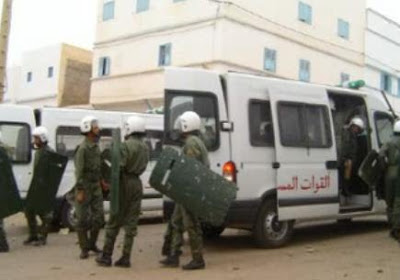 عين من مدن المغرب وبخاصة من الرباط.
إن حدث استقبال السيد روس من طرف الصحراويين بالعاصمة، العيون الجريحة شكل لحظات ربطت الشعب الصحراوي بتاريخه ودعمت تمسكه بمبادئه الوطنية، بحيث برز للغزاة المغاربة جليا عمق الإمتداد الروحي لحدثي استقبال البعثة الأممية سبعينيات القرن الماضي وقرار عين بنتيلي الوحدوي، فكانت النسوة بمعية الأطفال والشباب والشيوخ عند حسن ظن الشهداء، من حيث الاستبسال لردع من قال رعاة الغنم، ومن حيث أساليب فرض خيار التحدي لتبليغ الرسائل الوطنية بدون تشفير، وكانوا بذلك في الموعد الذي حدد لذات الغرض استجابة للنداء الوطني التاريخي، بالرغم من المحاولات المخزنية اليائسة لمنعهم من التظاهر السلمي.
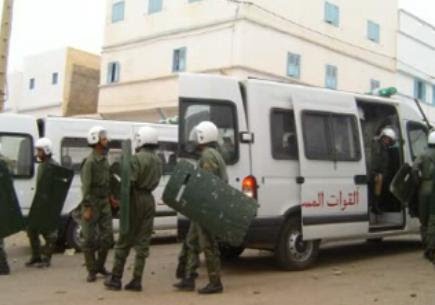
فمع حدود الساعة الثالثة بعد الظهر التحقت بعض الفئات الجماهيرية بحي معطى الله للمكوث بالمنازل من أجل الخروج من قريب للموقع المحدد في شارع السمارة، لكن سلطات الاحتلال حالت دون ذلك فأفشلت سعي الكثير ممن أرادوا ذلك، بحيث باشرت سيارات الشرطة بقيادة نائب والي الأمن وباشا العيون بطرد كل من حاول التسلل لشوارع حي معطى الله وبخاصة شارعي القدس وددش، وعلى رأس الممنوعين كان الشيخ المسن ديدا ولد اليزيد الذي حرموه من الوصول إلى منزل ابنته بشارع ددش، رفقة بعض النسوة، وهو الأمر الذي أدى بهم إلى رمي بعض المنازل بالحجارة من بينهم منزل القاضي عيلال ومنزل محمد فاظل الحسيني ومنزل عبد الله ولد أبيبا، كان ذلك حوالي الساعة الثالثة و 25 دقيقة، واستمر إلى حدود الساعة الرابعة ونصف تقريبا، مع تشديد الحصار والرفع من حدة التطويق الذي أنذر بوقوع كارثة إنسانية حتى وإن كان المبعوث الأممي حاضرا بعين المكان، إذ تمثل ذلك في تنظيم عناصر القوات المساعدة بمعداتهم في صفوف متراصة قرب سياراتهم المتفرقة والتي لا تقل عن ثلاث أو أربع سيارات إلى جانب متاريس قوامها عناصر اليافعين من شماكرية القمع المستقدمين من داخل المغرب، يتمركزون في رأس كل زنقة على شكل جماعات، أقلها تتكون من عنصرين حسب أهمية الموقع، يترصدون المارة والوافدين من الجهة الشمالية والغربية للحي، فضلا عن عناصر الشرطة بزي رسمي الذين تفرقو على أهم الشوراع والأزقة والأحياء الشعبية للعيون المحتلة، وهي على التوالي:
- تقاطع شارع السمارة وشارع مكة، أربع حافلات من الحجم المتوسط للشرطة رفقتها ثلاث حافلات من نوع فاركونيت للقوات المساعدت وسيارتي برادو للشرطة إحداهم بلون أزرق وأخرى بلون أبيض وسيارة ضابط شرطة المرور،
- تقاطع شارع المغرب العربي وشارع السمارة بمحاذاة منازل حي الانعاش سياراتان للشرطة رسمية يمتطيها عناصر بزي مدني،
- حائط دار الشبيبة والرياضة الشرقي بشارع السمارة تحاذيه سياراتان إحداهما للشرطة بزي رسمي والأخرى للقوات المساعدة والخوذ على رؤوسهم والواقيات في أرجلهم وأيديهم، رفقتهم عناصر من الشرطة بزي مدني يجلسون بمقى مراكش المحاذية،
- شرق مقهى تيشكا بشارع السمارة مقابل شارع ددش مباشرة، تقف سيارتان للشرطة بزي رسمي مستعدين للتدخل، أمامهما مسؤوليين أمنيين يتباحثون فيما بينهم قبل مباشرتهم الأمر بقمع المتظاهرين حوالي الساعة الخامسة وربع،
- غرب منزل أهل اندور بشارع السمارة تتمركز سيارات عدة للشرطة والقوات المساعدة منذ مدة رفع عددها وكثف من تعداد عناصرها عصر الخميس، يفصلهم شارع السمارة عن قوة أخرى من القوات المساعدة بشارع الرئيس سنغور المؤدي إلى وسط حي معطى الله،
-حائط قيسارية الديش بشارع السمارة تقف سيارة للشرطة ينضاف لعناصرها، عناصر بزي مدني،
- شرق مقهى أرينا برأس الزنقة المؤدية إلى حي الفتح بشارع السمارة تقف سياراتان للشرطة على أهبة الاستعداد في حدود الساعة الخامسة و5 دقائق تقريبا،
- أمام حي العمارات بالقرب من مطتب الكهرباء بشارع السمارة تقف عدة سيارات للشرطة والقوات المساعدة،
- مقابل إدارة الطاقة والمعادن بشارع السمارة تقف أربع سيارات للقوات المساعدة من النوع الجديد،
- سيارتان للشرطة على أهبة الاستعداد بشارع طنطان إحداهما من حين لآخر تقوم بعملية تمشيطية على طول الشارع من نقطة تقاطع شارعي رأس الخيمة وطنطان إلى نقطة تقاطع شارعي السمارة وطنطان،
- أربع سيارات للقوات المساعدة وإثنان للشرطة أمام قيادة بوكراع بحي الفتح،
بالإضافة إلى دوريات متنقلة على طول شارع السمارة ذهابا وإيابا، ناهيك عن استغلال الشماكرية المستقدمين للعيون المحتلة من المغرب لأطراف شارع السمارة دون حسيب أو رقيب يعبثون فيه وفق إرادتهم الهمجية، فضلا عن سيارات الإسعاف التي استخدمت في الغالب من أجل التمويه، بحيث أنها تمتلئ بعناصر الشرطة بزي مدني ويهاجمون المتظاهرين منها.
أمام هذا الحصار والتطويق المفروضين على الصحراويين، ومع مرور الوقت المحدد للتظاهر بدقائق معدودة رددت الشعارات الوطنية على مستوى تقاطع شارع السمارة ومزوار مرفوقة بزغاريد النسوة، أدى بقوات القمع للتدخل عبر مطاردة الشباب الصحراوي والنسوة في شارع مزوار وشارع السمارة وزنقة الشاوية والاعتداء على المتظاهرين بالضرب بعصي حديدية وركلهم وصفعهم، ليدخلوا بذلك في مناوشات معهم أدت بمن تبقى في شارع السمارة من جهة حي معطى لترديد الشعارات ورفع علم الجمهورية الصحرااوية في مركز تقاطع شوارع السمارة ومزوار والقدس، هذا الأخير شهد اعتداءات عنيفة من ذرف قوات القمع التي كانت ترابط على طول شارع السمارة وشارع المغربي العربي، سيما وأن علمين وطنيين رفعا عاليا مع ترديد شعارات وطنية تطالب بخروج المغرب عن الصحراء الغربية صاحبتها زغاريد النسوة اللائي اجتمعن ببعض منازل حي معطى الله وحي القدس، ومن بين المنازل التي اعتدي عليها بشارع القدس منزل مينتو حيدار الذي أختبئ فيه بعض الشباب والشابات أثناء المطاردات المخزنية لهم، لتنتقل المعركة بعدها إلى حي ليراك ومن ثم باقي الأحياء لتعم المظاهرات المطالبة بالحرية والاستقلال العيون المحتلة لكسر الحصار الذي يشهده شارع السمارة، فانتقل المناضلين فرادى وجماعات إلى حي الزعتر نواحي النادي الأحمر حيث رفع علم وطني من الحجم الكبير وترديد الشعارات الوطنية وزغاريد النسوة، نفس الشيء وقع بالقرب من دويرات الدشيرة المحسوبين على حي قيادة بوكراع، وفي نفس الأثناء السيد علوات سيدي محمد يرفع علما وطنيا من الحجم الكبير فوق منزله بعد أن اعتدوا عليه بشارع ددش حوالي الساعة الخامسة وعشرين دقيقة تقريبا مرددا بذلك الشعارات الوطنية من فوق منزل عائلته في حي الإنعاش، لتنضم له الجماهير التي كانت بعين المكان بالشعارات والزغاريد.
حي لاحوهم بدورهم لم يضيع سكانه فرصة الالتحاق بالركب، بحيث تشهد أزقته وشوارعه المؤدية إلى شارع طنطان وراس الخيمة على جسامة التدخل الذي طالهم، وعلى نفس الدرب عبر سكان شارع طنطان عن سخطهم لسياسة القمع المغربية تجاه أهاليهم بشارع السمارة، وفي ذات الأثناء تحاول قوة من عناصر الشماكرية المستقدمين من المغرب اختطاف بعض الشباب من أحد المنازل بحي معطى الله، فبائت محاولتهم بالفشل نظرا لاحتجاج سكان تلك الزنقة على هذا الفعل الجبان والدخول معهم في معارك أدت إلى إصابة المسن السالك ولد بيجا ونقله على وجه السرعة للمستشفى والاعتداء على بعض النسوة المؤازرات واقتلاع لحاف بعضهن - حسب تصريح إحداهن-، ولم يتوقف الأمر عند هذا الحد، إذ أن الجماهير الصحراوية لم تستلم، فوسعت من مواقع الفعل النضالي في إطار التحدي لسياسة القمع المغربية، لتصل إلى شارع اسكيكيمة ووسط حي كولومينا أردس وقيادة بوكراع وحي الدشيرة وشارع مزوار وحي الراحة وحي ليراك، ناهيك عن مناوشات من حين لآخر بشوارع السمارة والقدس والمغرب العربي بحي الإنعاش.
نتج عن كل ذلك ملاحقات واستهداف مباشر وغير مباشر للصحراويين والصحراويات، الذين كانوا في مستوى متطلبات الساحة الميدانية لفاتح نونبر 2012 بما فيهم الحوامل، رفضت إحداهن أثناء المطاردات الذهاب لمنزلها، حتى لايسجل عليها التاريخ أنها تراجعت -وفق ما صرحت به في إحدى السيارات التي نقلتها إلى مكان أكثر أمان لصحتها-.
نظرا لأن التقرير ميداني ولأن ظرفيات عشية فاتح نونبر 2012 فرضت من حين لآخر تغيير الوجهة والوسيلة الناقلة لها إلى جانب التواصل عبر الهاتف مع جهات عدة على رأسها المصادر المتفرقة وجهات رسمية، ونظرا لأن مكان كتابة التقرير كان يشهد حصارا بدوره فإنه تعذر حصر أسماء الضحايا كليا وبصفة عامة، ولأننا مباشرة كنا ننقل المعلومة إلى حيث يجب أن تكون هاتفيا، فإنه تعذر تسجيل كل المعلومات ورقيا حينها، ولهذا فإن الجهات الحقوقية عليها أن تقوم بدورها في هذا المجال وتحصر لائحة الضحايا مرفقة بالصور، بعيدا أن تحريف أو زيادة، سيما وأن المعركة لا تنزل إلى مستوى الاحتكار والشهرة، بل هي معركة ميدانية محضة لا مجال لامتطاء أحد على تضحيات كل المشاركين فيها، ولينتبه جميع الغيورين على هذا الفعل النضالي إلى عواقب مناورات بعض الاستغلاليين الذين يبحثون عن ثقب صغير من أجل تصدر ما لم يكونوا حاضرين فيه بقوة، فالمعركة معركة وطنية جماهيرية شعبية، ولكونها كذلك كرست مبتغى عين بنتيلي
* بالنسبة للمنازل المداهمة المرجوا إعادة التحقق منها وبخاصة المنازل التي بحس معطى الله، بحيث تؤكد المصادر الموثوقة أن المنازل التي دوهمت أو تعرضت للهجوم أثناء التدخل عقب الساعة الخامسة إلى حدود الثامنة ليلا:
- منزل السالك ولد بيجا،
- منزل عبدالله ولد أبيبا،
-منزل أمينة منت بلاو،
- منزل أهل متو منت الطرفاوي
وباقي المنازل المذكورة من حي معطى الله في تقارير سابقة نشرت، بعضها لا أساس له من الصحة،
- منزل أحمد بوبكرم بحي الدشيرة،
- منزل أهل الرامي
- علوات سيدي محمد ومن معه لم يتراجعوا في الجهر بمطالب الشعب الصحراوي رغم الحصار الذي ضرب على منزل عائلته من كل الجهات المؤدية له، فتم التدخل عليهم ولكن دون أن يثنيهم عن الدفاع عن حقهم في الحرية والاستقلال،
- فدح أغلى منهم تعرضت للاختطاف وأفرج عليها بعد ساعة ونصف تقريبا،
- بشري بنطالب تعرض للاختطاف ورميه بحي العودة في حالة يرثى لها حسب شهود عيان،
- أبا حسنا أيضا تعرض للاختطاف ورميه في حالة يرثى وفق ما صرح به وما وضحته صوره بعد ذلك،
- اليزيدي عبد الجليل تعرض للتنكيل،
- محمد عالي سيدي الزين،
- الطفل عمار عياش اعتدي عليه بالضرب،
- خديجتو الرظاع وأختها عيشتو القادمتان من حي المطار لمكان التظاهر بشارع السمارة، تعرضتا للضرب بحي معطى الله من طرف الشرطة
- زيناها عبد الهادي
- مينة أباعلي
واللائحة طويلة،
Wednesday, October 31, 2012
Monday, October 29, 2012
كلفة الملكية في المغرب
كلفة الملكية في المغرب .
الأحد, 28 تشرين1/أكتوير 2012 21:44 علي أنوزلا .
. عندما نشرت إحدى المجلات المغربية الصادرة بالفرنسية عام 2005 تحقيقا حول أجرة الملك في المغرب، التي قالت إنها لا تتعدى 360 ألف درهم شهريا (أي 36 مليون سنتيم)، علق وزير الداخلية الراحل إدريس البصري، من منفاه الباريسي في تصريح أدلى به لمجلة تصدر من باريس موجهة للدول الفرانكفونية الإفريقية على هذا الرقم ساخرا بأنه لا يساوي حتى كلفة تنقل الملك من مقر إقامته بالرباط إلى مكتبه بالقصر الملكي بالمشور السعيد بقلب الرباط !
علي أنوزلا
لم يصدر أي بيان أو تصريح رسمي عن الديوان الملكي يؤكد أو ينفي ما كتبته المجلة المغربية، أو ما جاء على لسان الوزير الذي كان يعتبر أقوى رجل في مملكة الملك الراحل الحسن الثاني بعد الملك.
اليوم نحن أمام أرقام حقيقية، رسمية، ومحينة، وعلنية، إنها أرقام ميزانية القصر الملكي في مشروع قانون ميزانية 2013 التي يمكن الإطلاع عليها على الموقع الإلكتروني لوزارة الاقتصاد والمالية.
ومن خلال قراءة سريعة لمشروع موازنة الدولة الخاصة بعام 2013، سنجد أن ميزانية القصر تبلغ: 2.576.769.000 درهم، (أي 7 مليون درهم يوميا أو 700 مليون سنتيم يوميا) أي ما يعادل أكثر من ضعف مجموع ميزانية وزارة الثقافة ووزارة التضامن والمرأة والأسرة والتنمية الاجتماعية (مجموع ميزانية الوزارتين هو1.265.788.000 درهم) . وللمقارنة فمجموع ميزانية وزارة الثقافة هو : 571.063.000 درهم. أما مجموع ميزانية وزارة التضامن فهو: 694.725.000 درهم. وهكذا سنجد أن ميزانية القصر تساوي 4.5 مرات ميزانية وزارة الثقافة و3.7 مرات ميزانية وزارة التضامن.
وإذا ما دخلنا في التفاصيل فسنجد أن ميزانية القصر مكونة من جزأين: التسيير والتجهيز. وفي جانب التسيير نجد بندا خاصا بالملك يتضمن: القوائم المدنية: 26.292.000 درهم (وهي مخصصة لأجرة الملك وتعويضاته وربما أيضا الأمراء)، ومخصصات السيادة: 517.164.000 درهم (لاتعرف ما هي هذه المخصصات التي تعادل ميزانية وزارة كاملة مثل وزارة الثقافة) . وبالإضافة إلى مخصصات الملك، هناك بند خاص بالبلاط الملكي، يتضمن مصاريف الموظفين والأعوان: 401.522.000 درهم، والمعدات والنفقات المختلفة: 1.500.183.000 درهم. وبالتالي يصبح مجموع ميزانية تسيير البلاط الملكي هو 2.445.161.000 درهم.
وللمقارنة فقط سنجد أن بند المعدات والنفقات الخاصىة بالقصر الملكي يتجاوز ذلك المخصص لوزارة مهمة مثل وزارة العدل والحريات، والتي لا يتعدى المبلغ المخصص لبند معداتها ونفقاتها المختلفة 321.783.000 درهم. في حين لا تتعدى مخصصات هذا البند في وزارة التجهيز والنقل – وما أدراك ما وزارة التجهيز والنقل - 107.135.000 درهم.
ولتقريب الصورة أكثر فإن مخصصات المعدات والنفقات المختلفة الخاصة بالبلاط الملكي، تعادل تلك المخصصة لقطاع مهم مثل وزارة الفلاحة والصيد البحري التي تعادل مخصصات هذا البند فيها 1.552.000.000 درهم.
أما ميزانية التجهيز (أو الاستثمار) الخاصة بالقصر في مشروع ميزانية 2013 فتبلغ
131.608.000 درهم، في حين تبلغ ميزانية التجهيز في وزارة سيادية مثل وزارة الشؤون الخارجية والتعاون، التي عليها بناء وتجهيز السفارات والتمثيليات المغربية في الخارج 116.000.000 درهم فقط لاغير. وللمقارنة مع وزارات ذات طابع رمزي واجتماعي نجد أن ميزانية التجهيز في وزارة الثقافة لا تتعدى 216.750.000 درهم، وتصل نفس الميزانية إلى 177.800.000 درهم في وزارة التضامن والمرأة والأسرة والتنمية الاجتماعية.
إن السؤال هنا يطرح حول الغاية من وجود ميزانية للتجهيز أو الاستثمار داخل ميزانية القصر الملكي، هل يعني ذلك أن القصر يخطط لبناء قصور أو إدارات جديدة تابعة له؟ ما هو معروف في المغرب هو أن "هناك ما يكفي وزيادة" من القصور والإقامات الملكية المنتشرة في جميع المدن والجهات المغربية. وأغلب هذه القصور والإقامات تابعة للولايات والعمالات، وبالتالي فهي في ملك الدولة، هي من يتولى بنيانها وتزيينها وتأثيتها وصيانتها وحراستها. كما أنه لايمكن تصور أن كل هذه الميزانية الخاصة بالتجهيز ستصرف على اقتناء سيارات جديدة، فمرآب سيارات القصر الملكي يزخر بمآت السيارات الفارهة والفاخرة ومن آخر الموديلات وأغلاها وأندرها أيضا..
طبعا لن تتم الإجابة على أي من هذه الأسئلة، بل ولن تطرح أبدا مثل هذه الأسئلة لا داخل مجلس الحكومة ولاتحت قبة البرلمان ولا على أعمدة الصحافة الرسمية أو الحزبية أو الخاصة. ولن ننتظر أن يرسل رئيس المجلس الأعلى للحسابات قضاته للتدقيق في طرق صرف ميزانية القصر، رغم أن الدستور يحتم عليه مراقبة كيفية صرف جميع ميزانيات الدولة بما فيها ميزانية القصر.
بل، سنسمع من داخل البرلمان من يطالب بزيادة ميزانية القصر، كما فعل أحد "النواب" المتملقين عند مناقشة ميزانية القصر الخاصة بعام 2012، عندما طالب بالرفع من ميزانية البلاط بدعوى أن "أنشطة" الملك و"تحركاته" تستلزم المزيد من الإنفاق عليها من ميزانية الشعب!
وبالفعل هناك من سيصدق مثل هذا الكلام بفعل الحضور القوي لأنشطة الملك وتحركاته على شاشات التلفزات الرسمية، لكن ما لايعلمه الكثير من الناس هو أن هذه الأنشطة والتحركات مكلفة جدا، لكن من يتحمل عبئها هي الميزانية العامة للدولة من ميزانية المجالس البلدية والجماعية، وميزانيات الولايات والعمالات، وميزانيات أجهزة الأمن والشرطة والدرك التي ترافقها لضمان سلامتها وأمنها...
أما من الناحية الدستورية، فإن الفصل 45 ينص على أن للملك قائمة مدنية. وهذا يعني أن مبلغ 26.292.000 درهم هو الوحيد من هذه المصاريف الذي يستند على أساس دستوري، (لأن الدستور لا يتحدث مثلا عن مخصصات السيادة) وهو مبلغ يقارب 1 في المائة من مجموع الميزانية المخصصة للقصر.
في الوقت الذي يدعو فيه رئيس الحكومة عبد الإله بنكيران المغاربة إلى شد الحزام ويفرض عليهم زيادات تمس قوتهم اليومي، وفي الوقت الذي يعيش فيه الاقتصاد المغربي حالة من الركود التي تنذر بأزمة خانقة مقبلة، كان ينتظر من الملك أن يعطي إشارة ولو رمزية بخصوص تقليص ميزانية القصر حتى يشعر المواطن الذي لا يجد قوت يومه في القرى والبوادي المنسية، ووراء أحزمة البؤس التي تحيط بالمدن الكبرى، وبعضها لا يبعد كثيرا عن القصور الملكية، بروح التضامن التي تسود المجتمعات في أوقات الأزمات العصيبة ويخضع لها الجميع من الرئيس إلى الغفير ومن الملك إلى الفقير.
في دولة ملكية مثل اسبانيا، التي يعتبر اقتصادها تاسع أكبر اقتصاد فى العالم حسب الناتج المحلى الإجمالى والخامس فى الاتحاد الاوروبى، وأمام الأزمة الاقتصادية التي تضربها حاليا خرج الملك الإسباني خوان كارلوس على شعبه وأعلن أمام الملأ تنازله طوعا عن جزء من مخصصاته ومخصصات أعضاء العائلة المالكة والعاملين في القصر الملكي أسوة بباقي موظفي الدولة الذين شملهم قرار الحكومة بتخفيض رواتبهم. كما قرر الملك تخفيظ ميزانية بلاطه التي تعد الأضعف من بين ميزانيات الملكيات في العالم. فهي لا تتجاوز 11 مليار سنتيم أو 110 مليون درهم في حين أن مخصصات الملك الاسباني لا تتجاز 300 مليون سنتيم مغربي. لنجد أنفسنا أمام المقارنة المفجعة: ميزانية القصر في المغرب تضاعف ميزانية القصر الملكي الإسباني 24 مرة. وأجرة الملك محمد السادس، تضاعف أجرة الملك خوان كارلوس أزيد من 18 مرة، بينما الاقتصاد الاسباني يعادل 18 مرة الاقتصاد المغربي!
وحتى بالمقارنة مع أنظمة رئاسية مثل النظام الفرنسي، فإن ميزانية القصر الملكي في المغرب تتجاوز ميزانية قصر الرئاسة "الإليزيه" الفرنسي بضعفين رغم أن الناتج الوطني الخام بفرنسا يتجاوز نظيره المغربي أكثر من 25 مرة!
لكن حتى هذه المقارنات قد تبدو مجحفة في حق رئيس فرنسا وملك اسبانيا، ليس فقط لأن الملك الاسباني عكس نظيره المغربي لايحكم وإنما يسود، ولكن لأن ملك المغرب بالإضافة إلى أنه يعتبر رئيس الدولة الفعلي "ملكية رآسية" أو "ملكية تنفيذية"، فالأمر سيان، فهو يعد أكبر مستثمر في البلد، وأكبر صاحب ثروة في البلد قدرتها مجلة "فوربز"ّ الأمريكية بنحو 2.5 مليار دولار أمريكي عام 2011 (وطبعا لا يشمل هذا الرقم قيمة القصور والإقامات والضيعات الملكية التي لا يُعرف عددها ولا قيمتها المالية).
الملكية في المغرب ليست مكلفة ماليا فقط وإنما اقتصاديا وسياسيا بل وحتى رمزيا ومعنويا. فهي مكلفة اقتصاديا بما أن الملك يعتبر هو المستثمر الأول في قطاعات مهمة. وحتى فترة قريبة كانت الاستثمارات الملكية هي المهينة على قطاعات اقتصادية أساسية مثل قطاع الإسمنت، وإنتاج البيرة، والزيوت، والحليب والبيسكويت ومشتقاتهما. ومازالت هذه الاستثمارات تهيمن على قطاع مهمة مثل إنتاج السكر، وتتواجد بقوة في قطاعات الأبناك والتأمين، واستغلال المناجم، وتتطلع إلى التغلغل في قطاعات صاعدة مثل الفندقة والاتصالات والطاقات المتجددة. بالإضافة إلى كل هذا يبقى الملك هو الفلاح الأول في بلده وبالتالي يعتبر هو المستفيد الأول من الإعفاءات الضريبية المطبقة على الفلاحة منذ فترة ما سمي باستقلال المغرب، ومن الدعم المالي المرصود للانتاجات الزراعية والحيوانية.
ومن الناحية السياسية يبقى الملك وحسب ما ينص عليه الدستور الجديد هو الرئيس الفعلي للجهاز التنفيذي من خلال رآسته لمجلس الوزراء الذي يضع الخطط الاستراتيجية لسياسات الدولة في جميع المجالات بما فيها تلك التي تهيمن عليها الاستثمارات الملكية أو تخطط للاستثمار فيها. بل إن بعض هذه السياسات ترسم ويخطط لها بعيدا عن الحكومة والبرلمان، مثل مشاريع "المخطط الأخضر" الخاص بالفلاحة، ومشروع "المخطط الأزرق" الخاص بتطوير السياحة، ومشروع الطاقات المتجددة... ومؤخرا قام الملك بجولة في دول خليجية للتسويق لمشاريع استثمارية بمليارات الدولارات لم تعرض على الحكومة ولم يصادق عليها البرلمان ولم يتضمنها البرنامج الحكومي، وقام بتسويقها مستشارو الملك وموظفوه بينما جلس الوزراء في أطراف طاولة الاجتماع، و قد ضُربت عليهم الذلة والمسكنة!
في "بيان الكرامة" الذي وقعه مؤخرا سياسيون ومثقفون وإعلاميون وفاعليون من المجتمع المدني، للاحتجاج على الطقوس المذلة التي ترافق حفلات الولاء وتجديد ما يسمى بالبيعة، جاء أن الملكية أصبحت مكلفة حتى من الناحية الرمزية والمعنوية، بما أن تلك الطقوس المذلة لم تعد تهين فقط كرامة من يسارعون طواعية إلى إذلال أنفسهم لها، وإنما باتت تلاحق كرامة وسمعة كل مغربي حيثما وجد.
الخلاصة أن الملكية في المغرب مكلفة ماديا واقتصاديا وسياسيا ومعنويا.
الحل هو الثورة، وهي آتية لاريب فيها.
Friday, October 26, 2012
Wednesday, October 24, 2012
Investigator says Morocco using torture
Investigator says Morocco using torture
(AFP) – UNITED NATIONS — Morocco uses torture in its own country and on opponents in the disputed territory of Western Sahara, a UN investigator said Tuesday.
The rights investigator gave details of a special trip to Morocco and Western Sahara as the UN Security Council debates demands that the UN mission in Western Sahara be granted a mandate to investigate human rig
 hts abuses.
"There is a lot of evidence of excessive use of force," Juan Mendez, UN special rapporteur on the use of torture, told reporters after presenting a report to the UN General Assembly.
"Whenever there is a sense that national security is involved, there is a tendency to use torture in interrogation. Difficult to say how pervasive or how systematic it is, but it happens frequently enough that the government of Morocco should not ignore the practice," Mendez added.
Mendez went to Morocco and Western Sahara for one week in September at the invitation of the government, which is currently a temporary member of the 15-nation UN Security Council.
He said there were signs of change in Morocco, where a moderate Islamist party has controlled parliament since last November.
"Morocco is developing a culture of respect for human rights that is a very good starting point for the elimination of torture in the near future. But it is far from being able to boast that torture has been eliminated," Mendez said.
The expert said he was still completing a report on the practices his team was told about during the trip to Morocco and Western Sahara, which Morocco started to annex in 1975.
"They were no different in Western Sahara from Morocco," he said.
"We found the same kind of evidence that mistreatment in interrogation, for example, is always close to happening, especially when there is excessive use of force in demonstrations and they happen both in Western Sahara and in Morocco."
A US rights group, the Robert F. Kennedy Center for Justice and Human Rights, also reported abuses after a visit last month. The group said it recognized positive changes to the Moroccan constitution, including "the criminalization of torture, arbitrary detention and enforced disappearances."
But it deplored the heavy military and police presence in Western Sahara and alleged widespread intimidation of the Sahrawi people and "many cases of police brutality" against non-violent protesters.
The UN brokered a ceasefire between Morocco and Polisario Front separatists in 1991. But efforts to arrange a political settlement on the future of Western Sahara are deadlocked.
Several Security Council nations have called for the UN mission in the disputed territory to have a mandate to investigate human rights abuses. Morocco opposes the proposal.
Mendez said he does not yet have a firm opinion, though he commented that "permanent monitoring is always much more helpful than a once-in-a-lifetime kind of visit that a special rapporteur can do."

Thursday, October 18, 2012
Jant Lens's Testimony at the UN
United Nations Fourth Committee
‘The Question of Western Sahara’
October 2012
Mr. Chairman, honored delegates, thank you for this opportunity to speak today.
I am an American. I have been working on the ground in the Saharawi refugee camps along with hundreds of other Americans since 1999.
My nation, the United States, had been a colony under the rule of a Kingdom. There came a point when, against all odds, we had to take a stand and declare our independence from that Kingdom. We claimed our unalienable rights, under God, to be our own nation….holding fast to the principals of freedom and justice for ALL.
The people of Western Sahara have been living under the rule of a Kingdom that invaded their God-given homeland in 1975….a Kingdom that has physically divided their people – the Saharawi – creating a land-minded berm stretching the entire length of that country.
On every map in every home and classroom in the United States and most countries of the world, Western Sahara is there. Labeled as “OCCUPIED BY MOROCCO.” On the wall here in the UN is a clear map with red indicating all those places in the world that are still colonies. The largest red land-mass on that map is Western Sahara! It’s like a big, ugly blood-red splotch in the world. THIS is your 4th Committee’s purpose – DECOLONIZATION in our world. And you’ve been assigned the “issue of Western Sahara.” This is what you do!
The Saharawi do not have the freedom nor means to speak to this Body of world influencers. Those who live in Western Sahara under the direct oppression of Morocco risk dire consequences for voicing their true desires for independence. I have personally experienced just a taste of what they live under in the occupied territory. Even here in my own country….I have been told by a Moroccan official to never again come to these hearings to testify. I have also faced repeated harassment in the past 7 years during these very proceedings…because I truthfully testify of my 13-year firsthand experiences in the refugee camps. That’s the mentality of a bullying occupier. If Moroccan-paid individuals think they can try to oppress an American citizen in my own country, just imagine what they are doing in the occupied territories. It further legitimizes the reports of the widespread human rights abuses facing those who live in Western Sahara.
Those Saharawi who live in the refugee camps have suffered with incredible patience, waiting for the champions of freedom and independence of this world to let them determine their own future as a nation. In the midst of a massive part of the world that is in violent turmoil like we’ve not seen before, the Saharawi people are a shining example of democracy and, up until now, a commitment to peace. Their reality is “No Peace, No War.” Their patience is wearing dangerously thin. They are nearing a fatal precipice with a growing sentiment that they would rather die fighting for their own country than to be known as the longest-lasting refugees who died committed to a peaceful solution.
The grave human rights abuses being committed by a Kingdom that has the audacity to say it “backs human rights” are merely evidence of a government that has disqualified itself to govern a nation that never belonged to them. The recent experience of the Robert F Kennedy Foundation delegation has hopefully lifted a corner of the rug under which Morocco’s abusive and brutal crimes against the people of Western Sahara have been hiding for far too long. As news began appearing on the internet of that delegation’s recent eyewitness accounts and photos, I was sitting with the Saharawi director of our refugee camps Center. He began to see Facebook pictures of a Saharawi woman on the ground, her face beaten and bloodied by Moroccan police in Western Sahara. I watched him reel with shock as he recognized that the woman was his own 57 year old sister! The woman the RFK delegation had witnessed being beaten in Layoune was my dear colleague’s elder sister, from whom he has been forcibly separated for the past 37 years by that shameful, illegal, deadly berm.
It is time for the United Nations to take action and put an immediate end to the largest illegally occupied colony in the world – Western Sahara.
The UN influence has done it in East Timor. The UN has done it in Sudan. The UN has carried out its decolonization responsibilities in so many places on this earth. This 37 year crisis stands as a failure on your record. You CAN DO IT. IT IS SOLVABLE!
When this great Body – the United Nations – immediately ends this travesty and the people of Western Sahara are reunited in their own sovereign country, THERE WILL BE NO HUMAN RIGHTS ABUSES IN WESTERN SAHARA BY AN OPPRESSIVE 37-YEAR OCCUPYING INVADER…the Kingdom of Morocco.
Thank you for hearing this plea.
Janet Lenz
www.notforgotteninternational.org
Monday, October 15, 2012
The Moroccan Occupation Regime hinders a Saharawi Elite Member and forces him to leave his homeland in search of work:

Saturday, October 13, 2012
سلطات الاحتلال المغربية تضايق إطارا صحراويا وترغمه على مغادرة وطنه بحثا عن عمل
سلطات الاحتلال المغربية تضايق إطارا صحراويا وترغمه على مغادرة وطنه بحثا عن عمل
13/10/2012
 اضطر الشاب الصحراوي، صالح البشرة، لمغادرة وطنه بحثا عن عمل في الخارج بعد أن تعرض لمضايقات كثيرة وللحرمان من فرص شغل عديدة في الصحراء الغربية وفي المغرب، حيث كان دائما يجد نفسه عرضة لاستهداف المخابرات المغربية.
الشاب الصحراوي، المزداد في العيون المحتلة سنة ١٩٧٣ الذي درس بجامعة الرباط، ثم هاجر للولايات المتحدة الامريكية، ليحصل على الجنسية الامريكية، ويعود بعد عشر سنوات من الغربة لموطنه الاصلي بحثا عن عمل دون جدوى.
ولدى عودته حاول الشاب الصحراوي مواصلة دراساته العليا بالتقدم مرات عديدة بطلب تسجيل للدكتوراه في الجامعات المغربية، غير أن طلباته كانت دائما تقابل بالرفض على أسس لا علاقة لها بملفه أو بالشهادات التي لديه، بل لاسباب سياسية.
ولم يفقد صالح البشرة، المعروف في مدينته باسم "جمال"، الامل، بل شرع في البحث عن عمل للتأكد من أنه ليس مستهدفا، حيث قدم طلبات للعمل نظرا لتوفره على شهادات وكفاءات متعددة ومتنوعة، وتم قبوله فعلا بملصب سلم 11 كمتصرف ممتاز بوزارة التعليم العالي المغربية، وتم تعيينه سنة 2010 بالأكاديمية الجهوية للتعليم بمدينة العيون المحتلة، إلا أنه فوجئ بمدير الأكاديمية يلغي هذا التعيين بعد فترة قصيرة بحجة أن هناك "جهات عليا" سألت عنه، وغير مرتاحة لنشاطه ومواقفه السياسية من قضية الصحراء الغربية، وأنها على علم ب"أنشطته وآراءه وعلاقته بالولايات المتحدة الأمريكية".
وفي غشت 2011 تم قبول ملفه مرة أخرى لوظيفة كاتب في الشؤون الخارجية درجة أولى بوزارة الخارجية المغربية، وتم استدعاءه بالفعل لإجراء مقابلة شكلية من أجل التعيين وهو ما حصل حيث تم قبوله لشغل المنصب، غير أنه فوجئ بعدم استدعاءه للالتحاق بالمنصب "نتيجة لتقارير من طرف الأجهزة الأمنية".
،وفي منتصف ديسمبر سنة 2011 تم استدعاءه من طرف عمالة الطرفاية من اجل تقديم ملف لمنصب متصرف سلم 11 إلي أنه فوجئ بعد أيام قليلة بالشطب على أسمه من اللائحة وبعد الاستفسار في مديرية الموارد البشرية في وزارة الداخلية بالرباط كان الجواب على أن ملفه تنقصه المعادلة الإدارية لشهادة العليا المتحصل عليها بالولايات المتحدة الأمريكية، وهو الأمر العاري من الصحة لأن ملفه كان يتضمن على معادلة مسلمة من طرف وزارة التعليم العالية المغربية ومنشورة أيضا في الجريدة الرسمية المغربية .
وفي شهر مارس من سنة 2012 تم قبول طلب ملف عمل للصالح البشرة لدى أحدى المنظمات الدولية العاملة بمدينة العيون المحتلة إلا أن الجهات الأمنية المغربية وفور علمها بالخبر تدخلت لدى مدير المنظمة الدولية وعرقلت سير هذا الملف وبالتالي تم حرمانه من الحصول على تلك الوظيفة.
ولم تتوقف المضايقات عند هذا الحد، إذ أن الشاب الصحراوي وبعد أن يس من امكانية ايجاد عمل أو وظيفة، شرع في التفكير في تأسيس شركة سياحية خاصة، لكن سلطات الاحتلال المغربية بمدينة العيون المحتلة رفضت طلبين للاستثمار في مدينة العيون في المجال السياحي وأجهضت جهوده في هذا المجال.
أكثر من ذلك، لم تتوان سلطات الاحتلال المغربية أيضا عن تخريب ممتلكات خاصة للشاب امعانا في الضغط عليه ليغادر وطنه المحتل، حيث قامت بتهديم ملكية خاصة له بمنطقة "أمقرير".
وبحث صالح البشرة عن أسباب هذه المضايقات وهذا المنع والرفض الذي يعاني منه كلما اقترب من الحصول على عمل أو فكر في مشروع خاص وكان الجواب الذي يصطدم به دائما أن جهات أمنية تقف وراء ذلك الإقصاء لمنعه من الإقامة والاستقرار في وطنه ومسقط رأسه، العيون المحتلة، بحجة أنه شخص غير مرغوب فيه من طرف سلطات الاحتلال المغربية.
للإشارة فإن الشاب الصحراوي صالح البشرة، له علاقات وطيدة مع عدد من ممثلي المنظمات الدولية بحكم دراسته في الولايات المتحدة الامريكية، ونشاطه الجمعوي على مستوى القارتين الاوروبية والامريكية، كما أنه سبق وعمل مع عضو من الكونغرس الامريكي كمتدرب بمكتب بواشنطن.
غير أن الشاب كذلك ابن لمعتقل سياسي سابق من ضحايا المعتقل السري المغربي "مكونة"، ولديه علاقات وطيدة مع عدد كبير من المدافعين الصحراويين والعالميين لحقوق الانسان، ولديه علاقات ايضا مع ممثلين عن عدد من السفارات والمنظمات التي تشتغل في المغرب، وهو ما يزعج نظام الاحتلال لقدرة صالح على ايصال صوته وصوت ابناء شعبه للعالم.
أما بالنسبة للمستوى العلمي لصالح فهو حاصل على شهادة الأدب الانجليزي من جامعة الرباط، وعلى شهادة عليا في تسيير المنظمات الغير حكومية من جامعة ولاية كنتاكي الامريكية، وشهادة ماستر في علم الإدارة من جامعة ولاية كنتاكي، وشهادة في التوجيه والخدمات الدولية من طرف الصليب الأحمر الأمريكي، وشهادة في الترجمة الفورية من طرف مكاتب الترجمة الأمريكية، وهو عضو جمعية المترجمين العرب العالمي ين،وعضو جمعية قدماء الدارسين بجامعة كنتاكي بالولايات المتحدة الأمريكية، ويجيد اللغة العربية، الانجليزية والفرنسية والاسبانية.

Wednesday, October 10, 2012
Statement F.Polisario before the IV Commission-October-2012
Statement by Frente POLISARIO to the UN Fourth Committee
New York October 10, 2012
Mr President
I address this Committee on behalf of Frente POLISARIO, the legitimate representative of the Sahrawi people ( UNGA resolution 3437) and party with Morocco in the peace process led by the United Nations.
Every year we come here to bring to you the hopes and confidence of the Sahrawi people in the UN. As is known, Morocco, ignoring the Security Council and the International Court of Justice, decided to invade our country in 1975. This Committee drew up in 1979 Resolution 3437 of the General Assembly, which requested Morocco, I quote, “To end its military occupation of Western Sahara” (unquote). Morocco did not want to hear this message nor that of the African Union in 1982 when it admitted the Sahrawi Republic as a Member State. In 1991, following these developments and 16 years of bloody war, Morocco committed itself before you to cooperate with the UN to organize a referendum on self-determination, including the option of independence. The Security Council approved the Peace Plan and entrusted MINURSO with this mission, which it should have accomplished in 1992.
Betraying its own commitment, Morocco decided to prevent the referendum and proclaimed unilaterally its “sovereignty” over Western Sahara, a decision that the international community considers null and void. Today it is still illegally occupying a large part of an African Territory included in the decolonization agenda of this Committee, where it continues, as has been proven internationally, to violate human rights while plundering its natural resources.
MINURSO has been prevented from carrying out its mandate. MINURSO is still in the Territory, but it is forced by Morocco to live without credibility and without authority. One needs only to read the Secretary-General’s latest report to the General Assembly. The negotiations that we have been holding with Morocco, from which you expected so much, have been suspended because the other party decided last May to end its cooperation with the Personal Envoy of the Secretary-General. It is said that the veto was revoked, but there has not been yet any tangible evidence of it.
The UN is an essential part of the solution to a problem of decolonization. Yet, Morocco was able to make it part of the problem and, more seriously, to become a problem for itself. Morocco invites itself to solve problems in the Middle East and in the Sahel, a thin smokescreen to hide all this. We committed ourselves, Mr President, to cooperate to make possible a peaceful and honourable solution to which you were wholeheartedly attached. Twenty years of Moroccan deception and of paralysis of the UN are now shaking up this commitment. The Sahrawi people wish to remain confident that you know how to assume the responsibilities you have undertaken and that you have not exhausted all the resources offered to you by the UN Charter. Morocco must cooperate to facilitate the holding of the referendum on self-determination to which it had committed itself. Otherwise, the Sahrawi Republic expects to have your support to be admitted within the UN. It is the least we expect from you. Thank you very much.
Saturday, October 06, 2012
Wednesday, October 03, 2012
LDH LA SEYNE-SUR-MER: Sahara occidental : la LDH exprime sa vive inquiét...
LDH LA SEYNE-SUR-MER: Sahara occidental : la LDH exprime sa vive inquiét...: Communiqué LDH Paris, le 3 octobre 2012 Le Maroc doit cesser de poursuivre les militants opposés à sa politique au Sahara occidental. ...
Friday, September 21, 2012
Joint action on the human right to peace promoted by the Foundation Peace without Borders and the Spanish Society for International Human Rights Law.
Joint action on the human right to peace promoted by the Foundation Peace without Borders and the Spanish Society for International Human Rights Law.
Today 21 September 2012 -International Day of Peace- Juanes and Miguel Bosé will launch the video "Peace is a human right". It provides the support of well-known artists, musicians, actors, actresses and sportsmen to the recognition of the human right to peace within the United Nations. The video is screened in 12 languages, namely: Spanish, English, French, Chinese, Russia, Arabic, Japanese, Hebrew, Catalan, Portuguese, Italian and German.
The following popular persons have participated in the video: Miguel Bosé (singer of Spain), Juanes (singer of Colombia), Ricky Martin (singer of Puerto Rico), Alejandro Sanz (singer of Spain), Eva Longoria (actress of the United States of America), Paulina Rubio (actress and singer of Mexico), Daniel Martin (singer of Spain), Rafael Nadal (tennis player of Spain), Pau Gasol (basket player of Spain), Juan Luis Guerra (singer of Dominican Republic) and Amaia Montero Saldías (singer of Spain).
In this line they want to launch a campaign for signatures in support of and commitment with the process of codification of the human right to peace within the United Nations. As of today more than 13.000 worldwide citizens have signed the petition in support, among other matters, of the Open Ended Working Group on the Right to peace established by the Human Rights Council in June 2012.
The appeal of support to peace as a human right will be submitted to the President of the UN General Assembly once the future Declaration on the Human Right to Peace is adopted by the Human Rights Council.
We encourage you to raise your voice in favour of the human right to peace and its final recognition in the United Nations. In order to sign the petition, please, see at http://www.pazsinfronteras.org
Please, distribute this petition among 20 friends, colleagues and peace-makers. Each of us are and will be the master of our own future.
Happy International Day of Peace!!
Monday, September 17, 2012
قوات القمع المغربية تفرق بالقوة تظاهرة سلمية بالعيون المحتلة
الاخبار يوم 17 سبتمبر 2012
معلومات اولية
قوات القمع المغربية تفرق بالقوة تظاهرة سلمية بالعيون المحتلة
فرقت قوات الإحتلال المغربية بالقوة مظاهرة سلمية نظمتهاالجماهير الصحراوية بشارع السمارة في العيون المحتلة مساء اليوم الإثنين ، وإستعملت الأجهزة المغربية الرمي بالحجارة والضرب المباشر بالعصي ، في تدخل سافر شاركت فيه قوات أمنية بزي مدني ، ضد متظاهرين مسالمين ، وقد تعرض العديد من المواطنين والنشطاء الحقوقيين للتعنيف ينتمون للجمعيات 11 التي دعت إلى التظاهر تزامنا مع زيارة المقرر الأممي الخاص بالتعذيب لمطالبة الأمم المتحدة بوضع الية لمراقبة حقوق الإنسان بالصحراء الغربية . وعكس ما ذهبت إليه بعض المواقع المشبوهة بوجود مواجهات ، فإن الجماهير الصحراوية إلتزمت بسلمية تظاهرها للتعبير عن مواقفها الرافضة للوجود المغربي على أرض الصحراء الغربية
فمباشرة بعد إنطلاق التظاهرة السلمية بقيادة نشطاء صحراويين بارزين تدخلت القوات الأمنية لتفريق المتظاهرين بالقوة وقال ابراهيم دحان الناشط الحقوقي رئيس الجمعية الصحراوية لضحايا إنتهاكات حقوق الإنسان و أحد المشاركين في تصريح للفريق الإعلامي أن هذا التدخل يعطي صورة واضحة عن إرهاب الدولة الذي تمارسه الدولة المغربية في الشارع العام ضد الموطنين الصحراويين بإستعمال بلطجية مدربين لقمع المظاهرات السلمية وأضاف أن الوقفة جاءت لتبعث أكثر من رسالة أولها أن الجماهير الصحراوية مصرة على العمل السلمي لفضح كافة إنتهاكات حقوق الإنسان ، و اننا كإطارات دعت للتظاهرة ملتزمون بمشاركة هاته الجماهير في مطالبها المشروع مضيفا أن الدولة المغربية بهذا التدخل تعلن إصرارا على مواصلة نفس مسلسل الإنتهاكات الجسيمة مشددا أن المواطنين الصحراويين والجمعيات الصحراوية نجحت في هدفها وفي التعبير عن موقفها رغم التدخل العنيف والقوي ضدنا ودعى العالم والدول الداعمة للربيع العربي لدعم الشعب الصحراوي حتى نيل حريته وإستقلاله . وكان هذا الناشط قد تعرض لتعنيف قوي من طرف الأمن المغربي رفقة كل من أبراهيم الصبارو حسنة الدويهي ولحبيب الصالحي ، ماماي هنون ، سلطانة خي ونشطاء ومواطنون أخرون نقل العديد منهم إلى المستشفى سجلنا كفريق إعلامي حالة كل من بشري بنطالب وحدهم لمجيد لحدود كتابة هذا المقال حيث لازالت مداهمات المنازل بحي معطلا الذي عاني ويعاني من تطويق أمني كبير و التي تستهدف ناشطين وحسب المعلومات الأولية التي توصل بها الفريق الإعلامي فقد تعرضت الزميلة والناشطة النكية الحواصي عضو الفريق للتعذيب إثر هذا التدخل ، ويبدو أن الدولة المغربية إستعملت أسلوبا جديدا من خلال تجيش الشوارع برجال أمن ومخابرات بزي مدني وإستعمالهم كبلطجية لترهيب المواطنين ،
يذكر أن المقرر الأممي الخاص بالتعذيب يزور العيون المحتلة خلال يومي الإثنين والثلاثاء و إلتقى اليوم عدد من ضحايا إنتهاكات حقوق الإنسان بالصحراء الغربية ، كما إلتقى كل من الجمعية الصحراوية لضحايا الإنتهاكات الجسيمة لحقوق الإنسان وتجمع المدافعين الصحراويين عن حقوق الإنسان .ويأمل الصحراويين من هذه الزيارة أن تضع مطلب توسيع صلاحيات بعثة المينورسو لتشمل مراقبة حقوق الإنسان في أولويات المنتظم الدولي
وفيما يلي لائحة أولية عن ضحايا التدخل العنيف
لحبيب الصالحي ، ابراهيم دحان ، بشري بنطالب ، حسنة الدويهي ، حدهم لمجيد ، ابراهيم الصبار ، النكية الحواصي ، اللومادي عبد السلام ، سلطانة خيا ، الداودي مبارك ، لغزال المحجوب ، عبد الله بوكعة ، الليلي حمود ، فاطمتو بارة( منت الشهيد) حمدي ديدا سلم النومرية ، سليمة ليمام ، احمد العسري ، احمد مطيع ، محمد خر ، احمد الطنجي ، علي سالم حيدان ، مكبولة لحماد ، حديدهم لعروسي ، بشرى بوتباعة ، متو لكركار ، منة لهويدي ، عبد الهادي ياسين ، الزروالي يسلم ، سعيد فنيش ، سالم اطويف ، محمد طالب اخيار
الفريق الاعلامي
المناطق المحتلة
الصحراء الغربية
Friday, September 14, 2012
Western Sahara: It’s Time for the People to Choose
Western Sahara: It’s Time for the People to Choose
By Carne Ross | SEP 05, 2012
Photo Credit: Manifestation de Sahraouis by Sylvain Raybaud
The latest diplomatic dance on whether or not former US Ambassador Christopher Ross should be allowed to continue to mediate UN-led talks between the Frente Polisario and Morocco on the future of Western Sahara is symptomatic of a much bigger problem ― the large powers’ unwillingness to advance an end to a dispute that they mistakenly see as peripheral to their strategic interests, and their resultant acquiescence in the brutal and illegal occupation of Western Sahara by Morocco for more than 35 years.
Western Sahara is not part of Morocco, nor has it ever been. When still under Spanish colonial rule in 1963, Western Sahara was listed by the UN as a Non-Self-Governing Territory, putting it on the same path towards independence traveled by almost all other colonial territories in Africa. Spain was expected and indeed obliged to oversee a process of decolonization that it completely failed to deliver upon. Instead, Spain’s withdrawal in 1975 was knowingly orchestrated to leave the territory to a tripartite administration with Mauritania and Morocco that eventually led to the illegal annexation of Western Sahara by Morocco.
It is therefore not an accident that not one country anywhere in the world has recognized Moroccan sovereignty in Western Sahara, and that the African Union counts the Saharawi Arab Democratic Republic (SADR), governed by the Frente Polisario, as one of its founding members. As the International Court of Justice put it in 1975, “neither the internal nor the international acts relied upon by Morocco indicate the existence at the relevant period of either the existence or the international recognition of legal ties of territorial sovereignty between Western Sahara and the Moroccan State.”
Following Morocco’s “Green March” into the Territory in 1975, and after more than 15 years of fighting between the Frente Polisario and the Moroccan armed forces, a ceasefire and UN Settlement Plan was agreed between the parties and endorsed by the UN Security Council. At its heart was the establishment of the United Nations Mission for the Referendum in Western Sahara (MINURSO). The Settlement Plan provided for a short transitional period for the preparation of a referendum in which the people of Western Sahara ― the Saharawis ― would choose between two clear options: independence or integration with Morocco. All subsequent plans put forward to resolve the dispute, including those brokered by former US Secretary of State James Baker, have revolved around the same principle: it is for the people of Western Sahara to decide their own political future.
Since 1991, Morocco has blocked the holding of the referendum that it itself agreed to and that was the basis for the ceasefire and the Settlement Plan. The UN presence, mandated to organize a referendum within six months of the ceasefire, has been seriously hamstrung by Moroccan interference. This includes restrictions on the freedom of movement of UN personnel, heavy monitoring and restriction of access to Saharawi leaders and human rights activists and, as revealed by the UN Secretary-General in his most recent report (UN Doc. S/2012/197), unlawful interception of the UN’s secret diplomatic communications.
Even worse, Morocco’s chief ally on the Security Council, France ― despite its vocal support for democracy and human rights in the Middle East and North Africa, and its trumpeting of its own virtuous record in this area ― has routinely prevented the Security Council from even allowing the UN to monitor human rights in the Territory. The result is that MINURSO is the only UN peacekeeping mission established since 1978 to be operating without this most basic of capacities, despite the UN itself considering human rights monitoring to be an indispensible feature of modern peacekeeping.
The only logical conclusion is that Morocco has something to hide. It has. In its confidential, internal contribution to the UN Secretary-General’s report on Western Sahara in 2011, the UN’s own High Commissioner for Human Rights said that alleged violations of human rights “demonstrate the critical need for…regular independent, impartial and sustained human rights monitoring and reporting within a clear mandate covering the entire Territory and [the Tindouf] refugee camps.” Moreover, the US State Department’s 2011 Country Report on Human Rights Practices for Western Sahara confirmed “credible reports that [Moroccan] security forces engaged in torture, beatings, and other mistreatment of detainees,” and that “Human Rights Watch, Amnesty International, and local NGOs continued to report abuses, especially of Sahrawi independence advocates.”
But this all pales in comparison to the humanitarian tragedy of the 150,000 or so Saharawis left languishing in refugee camps near Tindouf in southwest Algeria, driven from their homes in Western Sahara by the invading Moroccan forces and thereafter kept at bay by a 1,200 kilometer-long militarized wall (the “Berm”) that separates the Moroccan-controlled portion of Western Sahara from the “Free Zone” controlled by the Polisario (see map here).
Setting aside for a moment the appalling humanitarian consequences of this so-called “frozen conflict,” it is even more disheartening to consider the largely haphazard and piecemeal attempts by the UN and its Security Council to broker a solution. Successive “Personal Envoys” of the Secretary-General ― charged with facilitating negotiations between the two parties ― have lacked the strong backing of the Security Council necessary to force progress. Those envoys appointed since 2007 ― when Morocco presented its disingenuous proposal for Western Saharan autonomy under Moroccan sovereignty, and the Polisario demanded, in accordance with past agreements, a referendum that includes independence as an option ― have tended to focus on the stark differences between the two proposals. But this approach may be flawed, ignoring the simple fact that both parties’ proposals would involve a vote of some kind. So the real question is: Who gets to vote, and on what?
Given the chance, current Personal Envoy Christopher Ross might focus the parties on answering these questions. But Moroccan antics and Security Council inattention have conspired to allow the UN process to drift on aimlessly for years. Unfortunately, Ross’s energy this year has been focused on securing his own job as Personal Envoy following Morocco’s announcement in May that it no longer had confidence in him, making the ridiculous claims that he was “partial” for having dared to detail in the Secretary-General’s latest report Morocco’s systematic interference with MINURSO’s operations.
It would actually not take much to advance the resolution of this long-standing dispute. The United States and France both have bilateral ties with Morocco, but that does not mean that Morocco’s position should be supported at all costs. The US State Department has itself acknowledged that “the Western Sahara dispute remains the primary impediment to regional integration and development goals and Moroccan-Algerian relations.” As a result, the Maghreb suffers from unfulfilled economic potential and a fragmented response to the threat of terrorism that is of increasing concern to the Western powers holding the biggest levers for resolving the dispute in Western Sahara ― the US and France. Facilitating a solution to the Western Sahara dispute is an indispensible piece for solving this regional jigsaw puzzle.
When history, international law, regional geopolitics and security concerns all point to the same conclusion, there is really no other option. It’s time for the Security Council to assume control and accelerate resolution of the dispute by deciding on a clear timetable and deadline for holding a referendum on self-determination, as required by international law. It’s time to let the people choose.
Read more:
North Africa
Western Sahara
Foreign Relations
Diplomacy
Conflict Resolution
Happening Now
IN THIS SERIES
Western Sahara: Deferred Referendum or Lasting Settlement?
Autonomy: The Optimal Political Solution
Western Sahara: It’s Time for the People to Choose
ABOUT THE AUTHOR
Carne Ross
Carne Ross is Executive Director of Independent Diplomat, and has numerous years of experience working with the British foreign office and the UK delegation on the United Nations Security Council.
VIEW SCHOLAR PAGE
SHARE THIS
RELATED BY
REGIONISSUE
ANALYSIS // JUL 19, 2012
Dealing with Unbalanced Reciprocities: Cooperation on Readmission and Implications
Jean-Pierre Cassarino
ANALYSIS // JUL 19, 2012
Introduction to Unbalanced Reciprocities: Cooperation on Readmission in the Euro-Mediterranean Area
MEI Staff
ANALYSIS // JUL 06, 2012
Responses to Western Sahara: Deferred Referendum or Lasting Settlement?
Edward M. Gabriel , Carne Ross
1 of 5››
Subscribe to:
Posts (Atom)